
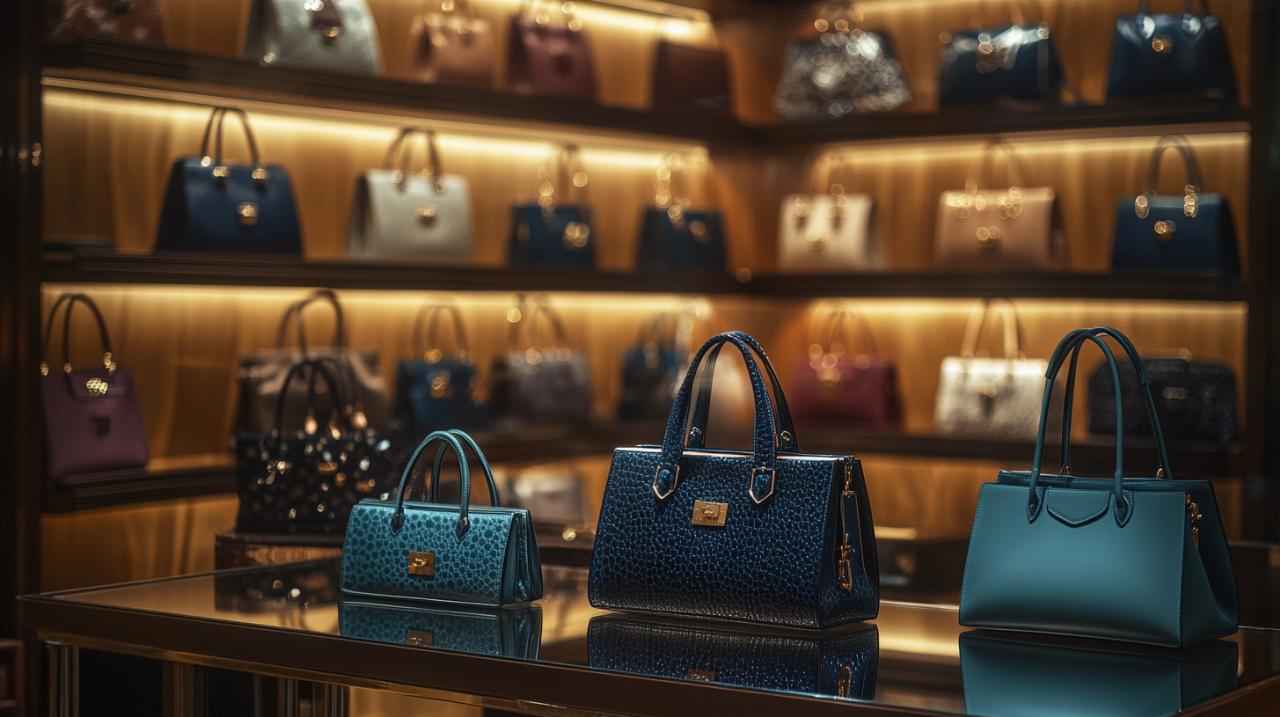
The world of luxury handbags is a realm where craftsmanship meets aspiration, where heritage intertwines with modernity, and where certain designs transcend the fleeting nature of fashion. These pieces are not merely accessories but enduring symbols of sophistication and style that have captivated collectors and enthusiasts for decades. Understanding what makes a handbag truly iconic involves delving into the artistry, the history, and the cultural significance that elevate these items from mere possessions to cherished investments.
The timeless elegance of heritage designer bags
Luxury handbags have long been revered as statements of status and refinement. The most celebrated among them share a common thread of enduring design and meticulous attention to detail. These pieces are not subject to the whims of seasonal trends but instead embody a sense of permanence that appeals to those who value quality over quantity. The best option is to look to the classics or to snap up designs that have an endless elegance about them, ensuring that each acquisition remains relevant regardless of shifting fashion landscapes.
Classic silhouettes that defined generations
Among the most revered designer handbags are those that have shaped the very definition of luxury accessories over the years. The Hermès Birkin stands as a paragon of exclusivity, celebrated for its iconic lock and key closure that has become synonymous with prestige. Similarly, the Chanel Classic Flap has captivated admirers with its quilted pattern, interlocking CC closure, and signature chain strap, all of which contribute to its timeless appeal. These designs have defined generations, offering a visual language that communicates sophistication without uttering a single word.
The Chanel 2.55, another masterpiece from the French fashion house, carries with it a rich history that dates back to the mid-twentieth century. Its quilted leather and distinctive clasp have made it a symbol of elegance that continues to resonate with modern audiences. Meanwhile, the Louis Vuitton Alma, with its structured silhouette and premium leather construction, has remained a favourite among those who appreciate classic lines and impeccable craftsmanship. These silhouettes are not merely products of their time but have transcended their origins to become enduring icons.
Other notable mentions include the Fendi Baguette, which captured the imagination of fashion enthusiasts in the late nineties and has since enjoyed a resurgence in popularity. The Dior Saddle, with its distinctive shape and bold aesthetic, has also re-emerged as a nostalgic hit from the Noughties, proving that certain designs possess an inherent ability to reinvent themselves while maintaining their core identity. The Gucci Horsebit 1955, with its nod to the brand's equestrian heritage, continues to enchant with its refined details and versatile appeal. Each of these pieces represents a chapter in the ongoing narrative of luxury fashion, demonstrating that true style is never confined to a single era.
Craftsmanship and materials behind enduring quality
The longevity of these iconic handbags is inextricably linked to the exceptional craftsmanship and superior materials that define them. Premium leather, meticulously sourced and expertly treated, forms the foundation of many of these designs. The Prada Galleria, for instance, is celebrated for its use of Saffiano leather, a material renowned for its durability and resistance to wear. This attention to material selection ensures that each bag not only looks exquisite upon purchase but continues to age gracefully over time.
Artisans dedicate countless hours to the creation of each piece, employing techniques that have been refined over generations. The intricate quilting on the Chanel Classic Flap, the precise stitching on the Loewe Puzzle Edge, and the hand-painted edges on the Louis Vuitton Pochette Metis all speak to a level of skill that cannot be replicated by mass production. These details are what set luxury handbags apart from their more accessible counterparts, transforming them into works of art that deserve to be cherished.
The use of monogram canvas, chain straps, and signature hardware further enhances the identity of these bags. Bottega Veneta, for example, has become synonymous with its intrecciato weave, a technique that involves weaving strips of leather to create a flexible yet robust material. This method not only adds visual interest but also contributes to the bag's structural integrity. Similarly, the Saint Laurent Loulou showcases the brand's expertise in combining supple leather with quilted patterns and a distinctive chain strap, resulting in a design that is both contemporary and timeless. Such meticulous attention to every element ensures that these handbags remain relevant and desirable for years to come.
Investment pieces: why certain handbags retain their value
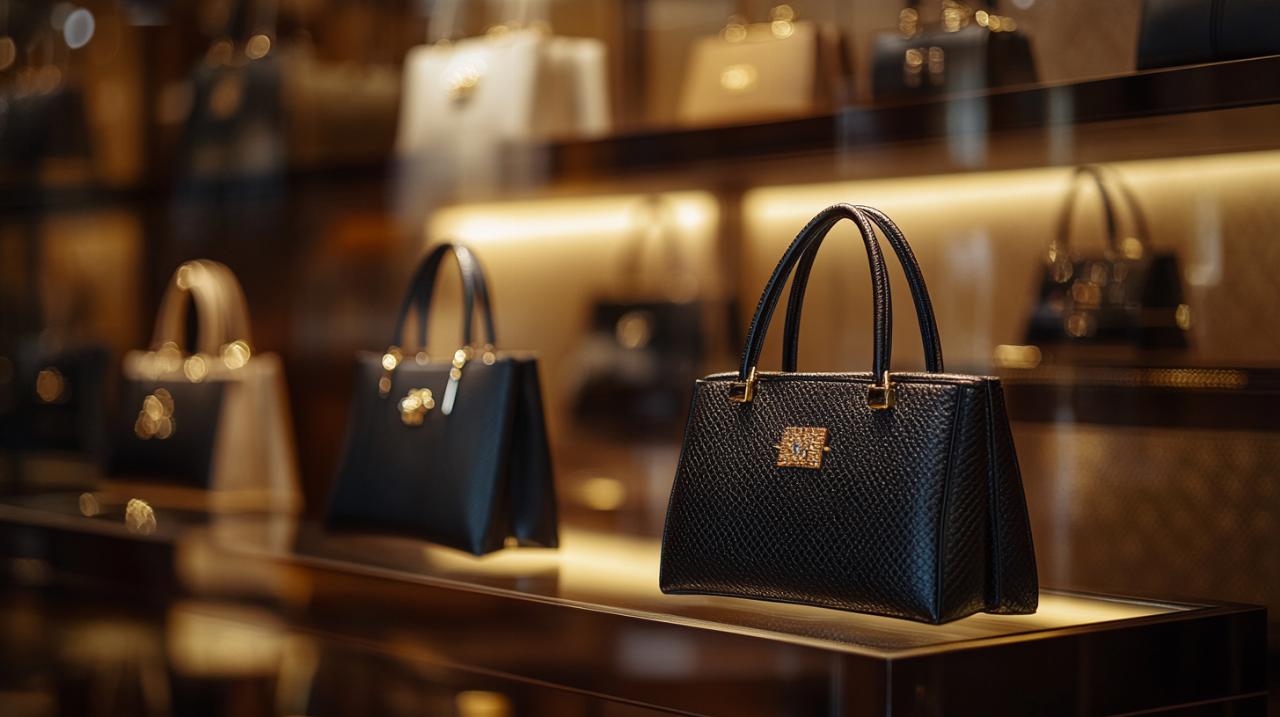
In recent years, the notion of handbags as investment pieces has gained considerable traction among collectors and fashion enthusiasts alike. The combination of scarcity, brand heritage, and enduring appeal has positioned certain designer bags as assets that can appreciate in value over time. This shift in perception has transformed the luxury handbag market into a dynamic arena where astute buyers view their purchases not merely as indulgences but as strategic acquisitions with the potential for financial return.
The resale market for vintage luxury bags
The resale market for vintage luxury bags has flourished in recent years, driven by a growing appreciation for heritage designs and the allure of owning a piece of fashion history. Platforms dedicated to the sale of pre-owned designer items have made it easier than ever for collectors to access rare and coveted pieces that may no longer be in production. The strong resale value of handbags such as the Louis Vuitton Pochette Metis and the Gucci Marmont underscores the enduring demand for these designs, even years after their initial release.
Exclusivity plays a crucial role in the resale market, with limited edition releases and discontinued styles commanding premium prices. The Hermès Birkin, for instance, is notoriously difficult to acquire at retail, which has contributed to its status as one of the most sought-after items in the secondary market. Collectors are often willing to pay a significant premium over the original retail price to secure a piece that embodies both rarity and prestige. This phenomenon is not limited to Hermès alone; vintage Chanel handbags, particularly those from earlier decades, have also seen remarkable appreciation in value, reflecting the timeless nature of the brand's designs.
Buying these handbags is a savvy acquisition for tasteful collectors who understand the nuances of the luxury market. House of Assets, in partnership with Limelight Nova, can help source rare and exclusive luxury bags, providing access to pieces that might otherwise remain elusive. For those looking to explore a wider range of investment-worthy accessories and collectibles, you can check out losmasdeseados.es to discover curated selections that celebrate both heritage and innovation. The resale market not only offers an opportunity to acquire iconic pieces but also serves as a testament to the enduring appeal of well-crafted designer handbags.
Caring for your treasured handbag collection
Maintaining the condition of luxury handbags is essential for preserving their value and ensuring that they remain as exquisite as the day they were acquired. Proper care involves a combination of regular maintenance, careful storage, and thoughtful handling. Premium leather, suede, and canvas all require specific treatments to prevent damage and to retain their original lustre. Understanding the unique needs of each material is the first step towards responsible stewardship of these treasured items.
Storage is a critical aspect of handbag care. Keeping bags in dust bags and storing them in a cool, dry environment helps to protect them from dust, moisture, and sunlight, all of which can cause discolouration and deterioration over time. For structured bags such as the Louis Vuitton Alma or the Prada Galleria, stuffing the interior with acid-free tissue paper helps to maintain their shape and prevent sagging. Chain straps should be laid flat or loosely coiled to avoid kinking, while delicate embellishments should be handled with care to prevent scratching or loss.
Regular cleaning is equally important, though it should be approached with caution. For leather bags, a gentle wipe with a soft, damp cloth can remove surface dirt, while specialised leather conditioners can be used periodically to keep the material supple. Suede bags, such as the Miu Miu Wander or the Ferragamo Hug, require more delicate treatment, often necessitating the use of a suede brush to lift away dirt without damaging the nap. In cases where stains or more significant wear occur, consulting a professional leather care service is advisable to avoid irreversible damage. By investing time and effort into the care of these luxury pieces, collectors can ensure that their handbags remain not only beautiful but also valuable for generations to come.