
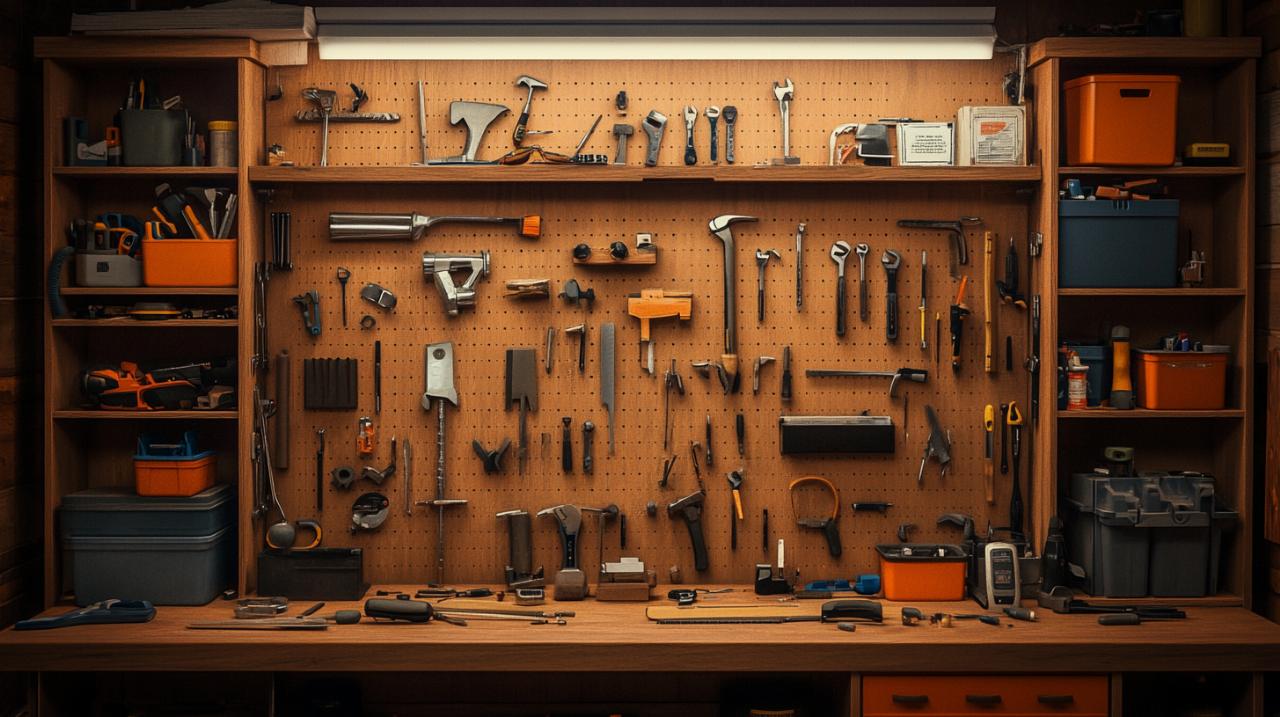
Keeping your motor running smoothly has changed dramatically over the past few decades, with modern vehicles relying heavily on sophisticated computer systems and precision engineering. Understanding which tools genuinely save you money in the long run requires a bit of knowledge about how today's cars actually work. Whether you're a keen home mechanic or simply want to avoid unnecessary trips to the garage, investing in the right diagnostic equipment and quality hand tools can make a substantial difference to your wallet over time.
The Essential Role of Diagnostic Equipment in Modern Vehicle Care
Every contemporary vehicle includes an Engine Control Unit that constantly monitors dozens of sensors throughout the car, recording fault codes whenever something goes amiss. This computer technology manages driving systems and provides continuous feedback on your vehicle's condition, making diagnostic tools absolutely vital for anyone serious about maintenance. When that dreaded check engine light illuminates on your dashboard, guessing at the cause can lead to replacing unnecessary parts and spending far more than needed. Professional diagnostics connect directly to your car's computer to read error codes and display real-time information about how the engine and other components are performing, eliminating the costly trial-and-error approach that plagued motorists in earlier times.
Why obd-ii scanners are every motorist's best mate
Diagnostic scanning has become remarkably accessible for home mechanics, with many aftermarket tools capable of diagnosing basic faults across multiple makes and models. These devices work by interfacing with standardised systems found in virtually all vehicles manufactured since the late 1990s, allowing even amateur mechanics to understand their car's health and address straightforward issues without professional assistance. The beauty of modern diagnostic tools lies in their ability to provide live data from various systems, showing you exactly what's happening under the bonnet at any given moment. This real-time insight proves invaluable when troubleshooting intermittent problems that might not trigger permanent fault codes but still affect performance.
For those with European vehicles, specialised diagnostic equipment becomes particularly important due to the precision engineering and manufacturer-specific systems these cars employ. European marques often require factory-level diagnostic tools to access all the systems properly, as generic scanners may miss critical information or fail to communicate with certain modules entirely. Workshops like European Automotive in Burlington utilise OE-level equipment specifically designed to scan the complex systems found in European cars, ensuring accurate diagnosis rather than the frustrating guesswork that can occur with inadequate tools. The investment in proper diagnostic capability pays dividends through accurate fault detection, whether you're dealing with engine diagnostics, transmission issues, brake system faults, or problems with fuel injectors and ignition systems.
How early fault detection prevents costly garage bills
Professional diagnostics excel at spotting potential problems before they escalate into expensive failures, representing genuine preventive maintenance rather than reactive repair. When you notice unusual noises, vibrations, performance drops, decreased fuel economy, or unpredictable electronics, a diagnostic check can identify the underlying cause whilst it remains minor and affordable to fix. This early detection capability protects expensive components like catalytic converters, turbochargers, and transmission systems that can cost thousands to replace if allowed to fail completely. Modern hybrid and electric vehicles, along with Advanced Driver Assistance Systems, have made diagnostic capability even more crucial as these technologies become mainstream across all price points.
The financial benefit extends beyond just avoiding major repairs, as proper diagnostics can actually improve fuel efficiency by identifying issues that cause your engine to run less efficiently than it should. Hidden problems like failing oxygen sensors, clogged fuel injectors, or exhaust system restrictions might not trigger obvious symptoms immediately but can quietly increase your fuel consumption by significant percentages over time. Investing in diagnostic equipment or paying for professional diagnostic services when problems first appear typically costs far less than the accumulated expense of reduced efficiency and eventual component failure. Workshops that offer these services properly should charge for the use of their diagnostic tools, reflecting the substantial investment required to maintain factory-level equipment and the training necessary to interpret the data correctly.
Quality wrenches and hand tools: investment versus false economy
Whilst diagnostic equipment handles the electronic side of vehicle maintenance, physical repairs still require proper hand tools, and the quality of your spanners and wrenches directly affects both repair outcomes and long-term costs. Cheap tools might seem like a bargain initially, but they frequently round off bolt heads, strip threads, and ultimately damage components that would otherwise have been perfectly serviceable. The frustration of a rounded bolt head trapped in an expensive component represents precisely the kind of false economy that proper tools prevent, as the cost of drilling out and replacing damaged fasteners quickly exceeds any savings from budget toolkit purchases.
The long-term savings of professional-grade spanners
Professional-grade hand tools typically feature precise manufacturing tolerances that ensure proper fit on fasteners, distributing force evenly rather than concentrating stress on corners where damage occurs. This precision becomes particularly important when working with modern vehicles that increasingly use lightweight alloys and high-strength fasteners designed to specific torque values. A quality spanner grips the entire flat of a bolt head rather than just the corners, dramatically reducing the risk of rounding and allowing you to apply proper force without fear of damage. Over years of maintenance work, this reliability means components remain intact and reusable rather than requiring replacement due to tool-inflicted damage.
The durability of professional tools also contributes to their cost-effectiveness, as properly manufactured spanners and sockets can last decades with reasonable care rather than requiring replacement every few years. Many professional tool manufacturers offer lifetime warranties precisely because they understand their products rarely fail under normal use, providing genuine peace of mind for both professional mechanics and serious home enthusiasts. This longevity means the higher upfront cost gets amortised over countless repairs, ultimately costing less per use than repeatedly purchasing cheap replacements that bend, crack, or wear out after minimal service.
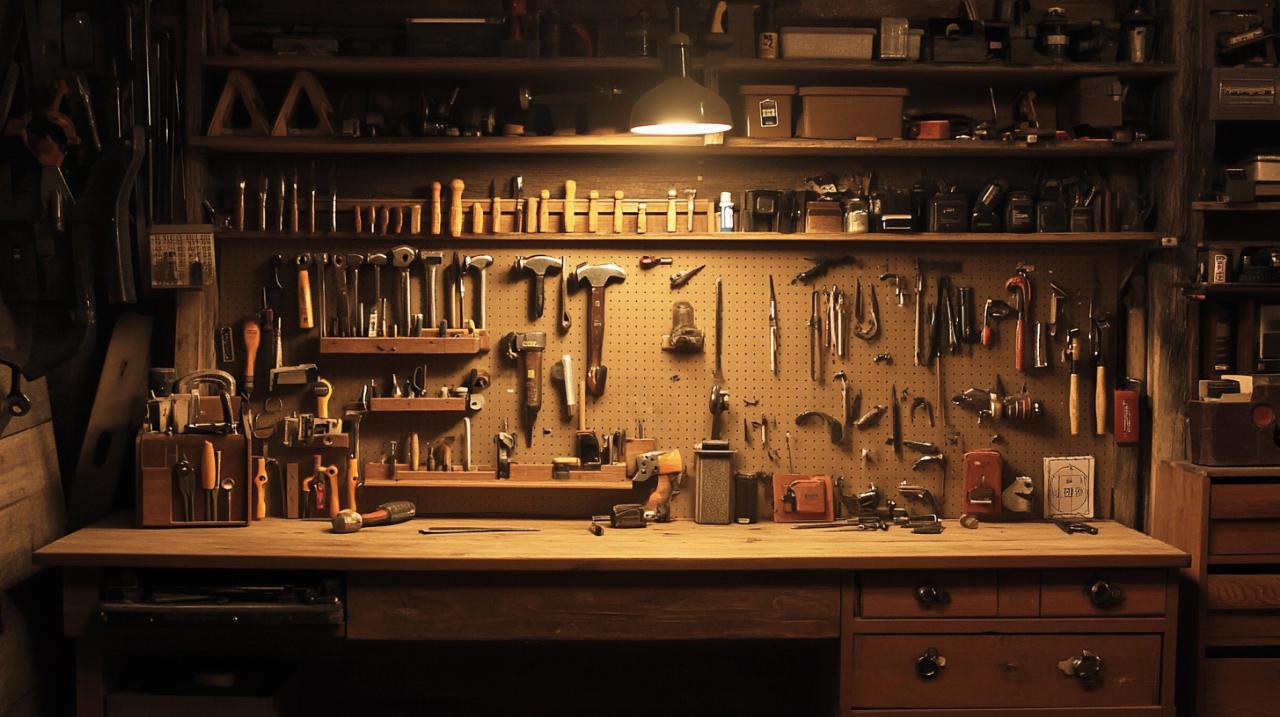
Avoiding Stripped Bolts and Damaged Components with Proper Kit
The consequences of inadequate tools extend beyond just the tools themselves, potentially causing damage to vehicle components worth hundreds or thousands of pounds. Stripped sump plug threads, rounded wheel bolt heads, or damaged sensor connectors can transform straightforward maintenance into expensive repair jobs requiring specialist attention. Using properly sized spanners with the correct drive type for each fastener eliminates most of these risks, as does having appropriate extraction tools available for those inevitable moments when a fastener proves stubborn. Professional mechanics understand that spending time selecting the right tool for each job prevents the far greater time loss and expense of dealing with damaged components.
Torque wrenches represent another area where quality tools save money by preventing both under-tightening and over-tightening of critical fasteners. Modern engines often specify precise torque values for components like cylinder heads, bearing caps, and suspension bolts, where incorrect tightening can lead to leaks, failures, or premature wear. A reliable torque wrench ensures these specifications get met consistently, protecting expensive components from the damage caused by improper assembly. This precision matters especially when working on European vehicles known for their exacting engineering standards, where manufacturer specifications must be followed precisely to maintain reliability and performance.
Building your home garage: cost-effective maintenance strategies
Creating a home workshop capable of handling routine maintenance requires thoughtful investment in tools that deliver genuine value rather than accumulating equipment that sits unused. The key lies in identifying which tools address the specific maintenance needs of your vehicles whilst providing capabilities that will remain useful for years to come. Starting with essential diagnostic capability and a core set of quality hand tools allows you to tackle the maintenance tasks that occur most frequently, gradually expanding your toolkit as your skills and ambitions grow.
Which Tools Deliver the Best Return on Investment
For most motorists, a decent OBD-II scanner represents the single best tool investment, as it provides insight into vehicle health that would otherwise require professional diagnostics. Even basic models can read and clear fault codes across multiple systems, helping you determine whether that warning light represents a genuine emergency or a minor issue that can wait until convenient to address. More capable scanners offer live data monitoring, allowing you to observe sensor readings and system performance in real time, which proves invaluable when diagnosing intermittent problems or verifying repair success.
After diagnostic capability, a comprehensive socket set with both metric and imperial sizes covers the majority of fasteners you'll encounter during routine maintenance. Combining this with a quality torque wrench and a selection of combination spanners provides the foundation for handling oil changes, brake work, suspension maintenance, and most general repairs. Specialising your tool collection based on the vehicles you actually own makes practical sense, as focusing on commonly repaired vehicle types helps guide purchasing decisions towards tools you'll genuinely use rather than exotic equipment gathering dust. For those with European vehicles, certain manufacturer-specific tools may prove necessary for particular jobs, representing worthwhile investments if you plan to keep the car long-term.
Diy servicing skills that put money back in your pocket
Learning to perform routine maintenance yourself generates substantial savings over time, as labour costs often exceed parts prices for straightforward service items. Oil changes, air filter replacements, brake pad fitting, and similar tasks require no special skills beyond following proper procedures and using appropriate tools, yet garages charge significant labour rates for this work. Mastering these basics allows you to maintain your vehicle properly without the expense of professional service for routine items, reserving garage visits for complex repairs requiring specialist equipment or expertise you don't possess.
The confidence gained from successfully completing maintenance tasks builds over time, gradually expanding the range of repairs you feel comfortable attempting. Understanding vehicle diagnostics through your own scanner provides knowledge that helps you make informed decisions about which repairs you'll tackle personally and which warrant professional attention. This informed approach prevents both the expense of paying professionals for simple tasks and the costly mistakes that can result from attempting repairs beyond your current capability. Training courses on diagnostic tools and general maintenance techniques accelerate this learning process, providing structured knowledge that helps you work safely and effectively whilst avoiding expensive errors that novices sometimes make through lack of proper guidance.