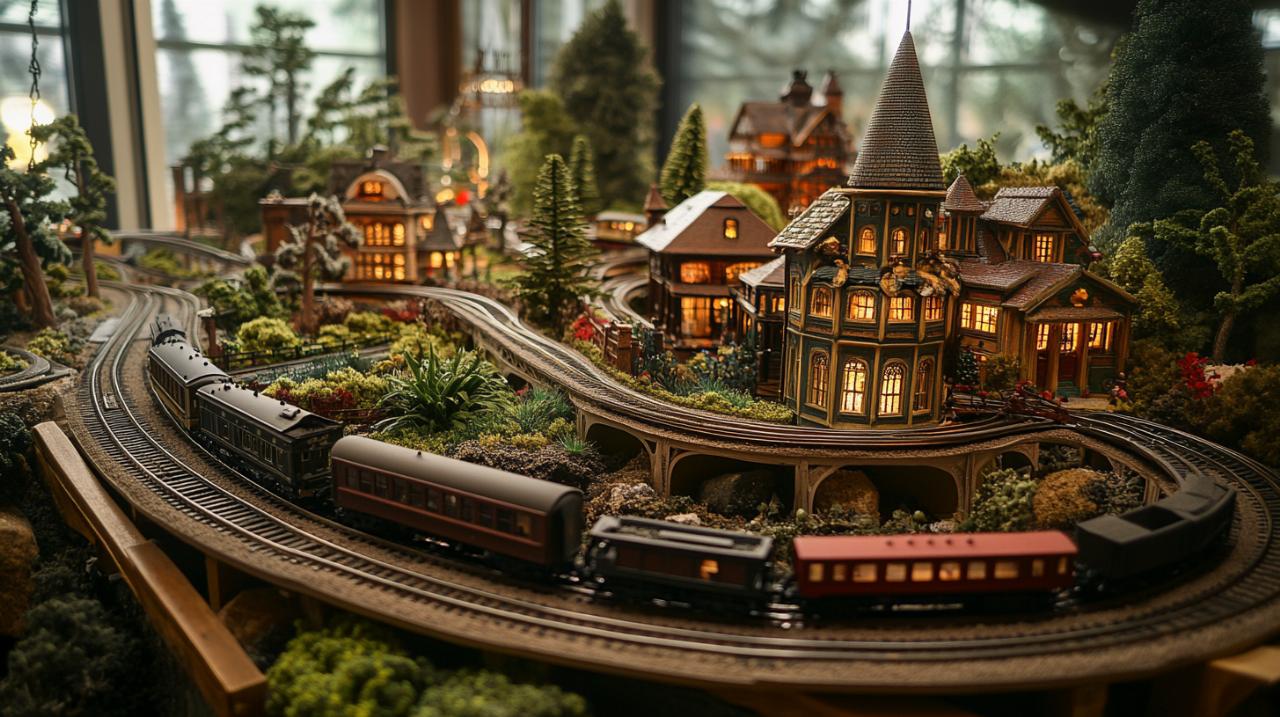
For enthusiasts and collectors of miniature railways, the digital archives of Aiguillages.eu represent a remarkable gateway into the fascinating world of model trains. This comprehensive online database serves as a treasure trove of historical information, technical specifications, and visual documentation that spans decades of railway modelling heritage. Whether you are a seasoned collector seeking rare pieces or a curious newcomer eager to understand the evolution of miniature trains, the archives offer an unparalleled resource that brings together the passion and precision of railway enthusiasts from across Europe and beyond.
Exploring the Rich Collection of Vintage Miniature Railway Models
The archives of Aiguillages.eu house an extensive collection of vintage miniature railway models that provide a vivid glimpse into the craftsmanship and attention to detail that defined earlier eras of railway modelling. From the intricate metalwork of early twentieth-century pieces to the more refined plastic models that emerged in the post-war period, the database captures the evolution of design and manufacturing techniques. Each entry offers detailed photographs and descriptions that allow enthusiasts to appreciate the subtle differences in paint schemes, mechanical features, and aesthetic choices that were characteristic of different periods and manufacturers. The collection is not merely a static gallery but a dynamic archive that continues to grow as contributors share their own discoveries and restorations.
Rare pre-war rolling stock and locomotives
Among the most sought-after items within the archives are the rare pre-war rolling stock and locomotives that represent the earliest days of miniature railway modelling. These pieces, often handcrafted or produced in limited runs, showcase the meticulous artistry of manufacturers who worked before the advent of mass production. The database includes detailed entries on models from renowned makers whose work has become legendary among collectors. Each locomotive and carriage is documented with historical context, highlighting the original prototypes from which they were inspired and the specific techniques used in their construction. The archives also include information on the materials employed, ranging from tinplate to early forms of die-cast metal, providing a comprehensive understanding of how these models were brought to life in an era when precision engineering was still developing.
Cataloguing systems and historical documentation methods
The organisation of the Aiguillages.eu archives relies on sophisticated cataloguing systems that ensure every item is easily accessible to researchers and enthusiasts alike. The database employs a structured approach to documentation, categorising models by manufacturer, era, scale, and type. This methodical system allows users to navigate through vast quantities of information with ease, whether they are searching for a specific locomotive or exploring broader trends in miniature railway design. Historical documentation methods within the archives include cross-referencing original catalogues, advertisements, and technical manuals that provide invaluable context for understanding the significance of each model. By combining digital photography with scanned archival materials, the database offers a multi-layered resource that supports both casual browsing and serious academic research.
Technical Specifications and Scale Variations Throughout the Decades
Understanding the technical specifications and scale variations that have characterised miniature railway modelling over the decades is essential for appreciating the diversity and ingenuity of the hobby. The archives of Aiguillages.eu provide detailed technical data for each model, including dimensions, weight, materials, and operational features. This information is particularly valuable for collectors who seek to authenticate pieces or for modellers who wish to integrate vintage items into contemporary layouts. The database also explores how manufacturing standards have evolved, reflecting changes in technology, consumer preferences, and international collaboration among model railway producers.
Evolution of Manufacturing Standards in Model Railways
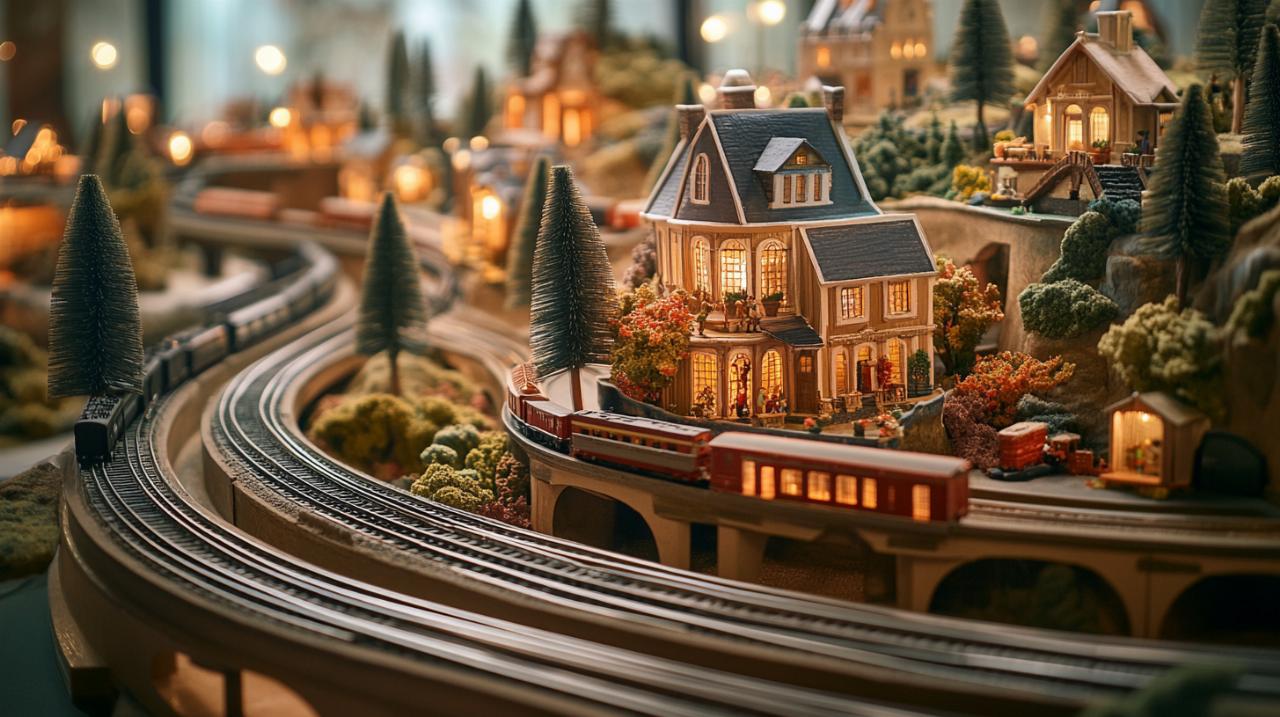
The evolution of manufacturing standards in model railways is a fascinating subject that the archives illuminate with clarity and depth. In the early days of the hobby, production methods were labour-intensive and often inconsistent, leading to wide variations in quality and detail even within the same product line. As the industry matured, the introduction of standardised gauges and improved tooling techniques allowed manufacturers to produce more reliable and interchangeable components. The archives document this transition through entries that highlight key innovations, such as the shift from hand-painted finishes to tampo printing, and the adoption of plastic as a primary material in the post-war era. These developments not only made miniature trains more affordable and accessible but also expanded the creative possibilities for layout design and customisation.
Comparing oo, ho, and n gauge historical examples
The archives offer a comprehensive comparison of historical examples across the most popular scales, including OO, HO, and N gauge. Each scale has its own unique characteristics and history, and the database provides detailed entries that allow enthusiasts to explore these differences in depth. OO gauge, which is particularly popular in the United Kingdom, features models that are slightly larger than the international HO standard, reflecting the specific dimensions of British rolling stock. The archives include numerous examples of OO gauge locomotives and carriages, documenting the distinctive aesthetic and technical features that set them apart. HO gauge, widely adopted across Europe and North America, is represented by a diverse array of models that showcase the international nature of the hobby. The database also highlights the rise of N gauge, a smaller scale that gained popularity in the latter half of the twentieth century, offering enthusiasts the ability to create expansive layouts within limited spaces. By comparing these scales, the archives provide a valuable resource for understanding how different modelling communities have developed their own traditions and standards over time.
Preserving railway heritage through digital archives
The mission of preserving railway heritage through digital archives is at the heart of the Aiguillages.eu project. By creating a publicly accessible repository of information, images, and technical data, the database ensures that the history of miniature trains is safeguarded for future generations. This commitment to preservation extends beyond mere documentation, encompassing efforts to educate and engage a global community of enthusiasts who share a passion for railway modelling. The digital format of the archives allows for continuous updates and expansions, ensuring that new discoveries and contributions can be integrated seamlessly into the existing framework.
Digitisation Efforts and Accessibility for Enthusiasts
The digitisation efforts behind the Aiguillages.eu archives represent a significant investment in both technology and time, reflecting the dedication of the team and contributors who recognise the importance of making this information widely available. High-resolution photography and detailed metadata ensure that every entry is both visually appealing and informative, while intuitive search functions and filters make it easy for users to find exactly what they are looking for. The archives are designed to be accessible to enthusiasts of all levels, from beginners who are just starting to explore the hobby to experts seeking rare and obscure references. By removing barriers to access and providing a wealth of free information, the database plays a vital role in fostering a vibrant and inclusive community of railway modellers.
Contributing to the Aiguillages.eu Community Database
Contributing to the Aiguillages.eu community database is an opportunity for enthusiasts to share their own collections and knowledge with a global audience. The collaborative nature of the project ensures that the archives continue to grow and evolve, reflecting the diverse interests and expertise of the modelling community. Contributors can submit photographs, technical details, and historical information about models in their collections, helping to fill gaps in the database and provide new perspectives on familiar subjects. The process of contributing is designed to be straightforward and welcoming, with clear guidelines and support available to ensure that submissions meet the high standards of the archive. By participating in this collective effort, enthusiasts not only help to preserve railway heritage but also strengthen the bonds within a community that spans continents and generations, united by a shared love of miniature trains and the stories they tell.