

When winter arrives and temperatures plummet, keeping roads, paths and car parks safe becomes a pressing concern for local councils, businesses and homeowners alike. Gritting salt is one of the most reliable and widely used tools for preventing ice from forming and treating surfaces that have already frozen. Yet not all salts are the same, and understanding the differences between them can make a real difference to how effectively you manage icy conditions.
Key takeaways
- Rock salt is a cost-effective, coarse variety mined from underground, making it ideal for treating public roads and high-traffic areas.
- White de-icing salt is a refined product that dissolves rapidly, making it the preferred choice for pedestrian zones and driveways where cleanliness is a priority.
- Gritting salt functions by creating a brine solution that lowers the freezing point of water, preventing ice formation or melting existing ice.
- Pre-treating surfaces before a freeze is more effective than post-treatment, as it prevents ice from bonding to the road surface.
- Environmental impact should be considered by applying only the necessary amount of salt to minimize harmful runoff into soil and water systems.
- Proper storage in dry, covered conditions is essential to prevent salt from clumping and maintaining its effectiveness for future use.
- Effective winter management relies on strategic timing, such as spreading salt before temperatures drop, and ensuring even coverage across all surfaces.
Understanding the Different Types of Gritting Salt and How They Work
The world of de-icing salt is broader than many people realise. From the coarse brown granules spread across motorways to the finer white crystals used on supermarket car parks, each variety has its own characteristics, strengths and ideal applications. Choosing the right type for your specific surface and situation is the first step towards keeping people safe during cold snaps.
Rock salt vs. white de-icing salt: what sets them apart?
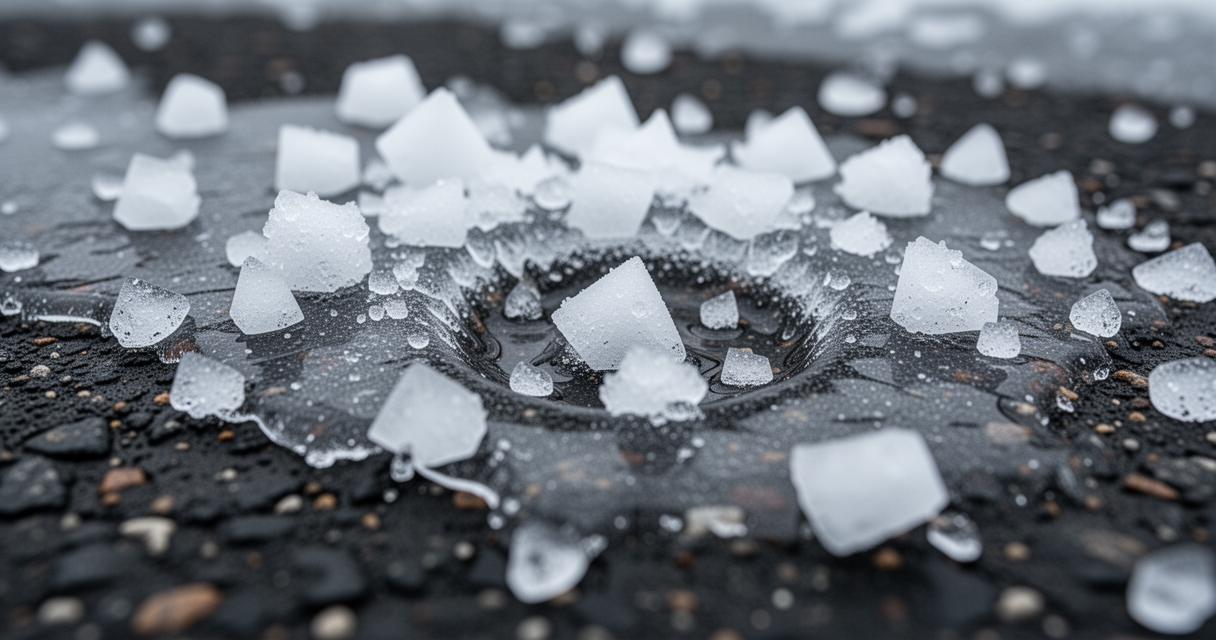
The two most common forms of gritting salt are rock salt and white de-icing salt. Rock salt is the brown or grey variety that has been mined directly from underground salt deposits. It tends to contain natural minerals and impurities, which give it its distinctive colour. It is generally coarser in texture and is the type most commonly used by highways authorities for treating public roads in the UK.
White de-icing salt, by contrast, is a refined or processed form of salt that has been washed and dried to remove impurities. It is typically finer in grain size, which means it dissolves more quickly on contact with moisture. This makes it particularly well suited to pedestrian areas, private driveways and sensitive surfaces where appearance and speed of action both matter. It is also less likely to leave visible residue on surfaces such as block paving or tarmac once conditions improve.
How Gritting Salt Lowers the Freezing Point of Water on Road Surfaces
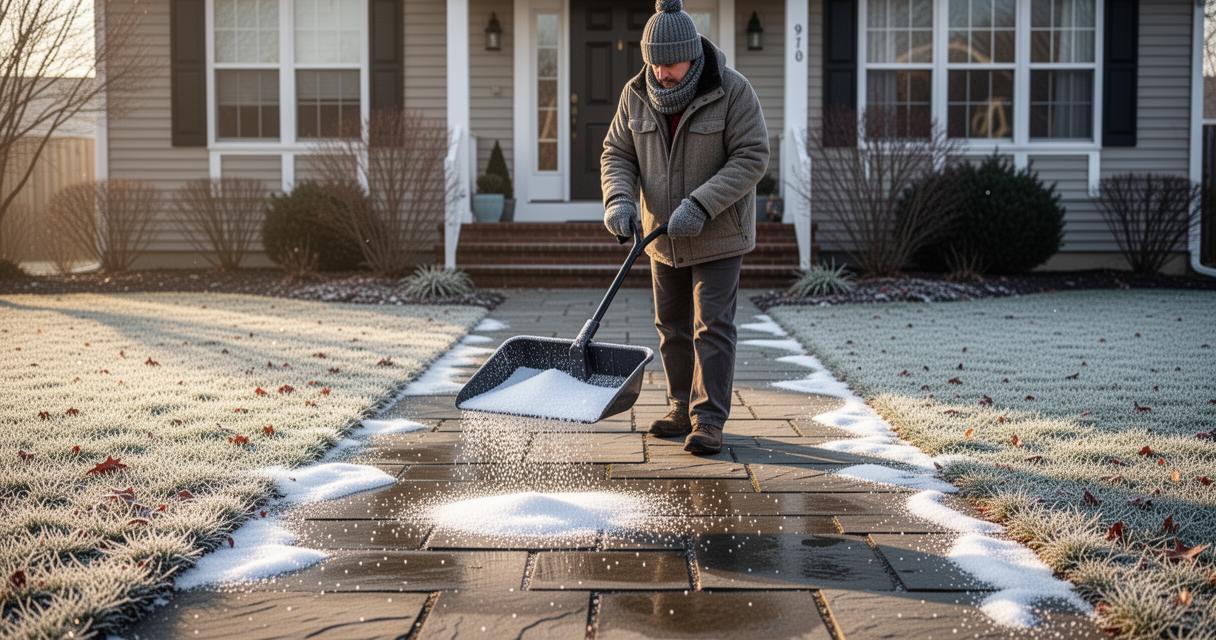
The science behind gritting salt is straightforward but genuinely effective. When salt comes into contact with ice or snow, it dissolves into the thin film of moisture present on the surface and creates a brine solution. This saline mixture has a significantly lower freezing point than pure water, which means it remains liquid even as temperatures continue to fall. The result is that ice either fails to form in the first place, or existing ice and compacted snow begin to break up and melt away.
The effectiveness of this process depends on several factors, including air temperature, the amount of traffic on the surface, and how quickly the salt is applied relative to when frost or snowfall begins. Pre-treating surfaces before a freeze sets in is widely regarded as more efficient than attempting to treat them after ice has formed, as the brine solution can prevent bonding between ice and the road surface altogether.
Choosing the Right Gritting Salt to Keep Roads Safe Through Winter
With several types of gritting salt available, selecting the most appropriate product requires a clear understanding of your specific needs. Factors such as the type of surface, the volume of footfall or traffic, environmental considerations and storage practicalities all play a role in determining the best choice.
Key Factors to Consider When Selecting Salt for Roads, Paths and Car Parks
For public roads and large open areas that experience heavy vehicle traffic, rock salt remains the most practical and cost-effective option. Its coarser texture means it stays on the road surface longer rather than being swept aside by passing vehicles, and it works well at moderate sub-zero temperatures. For footpaths, steps and pedestrian zones, a finer white salt is often preferable, as it disperses more evenly and acts more rapidly on the smaller surfaces involved.
Environmental impact is another consideration worth bearing in mind. Salt runoff into soil and waterways can have an effect on vegetation and aquatic life, so applying only the necessary quantity is both responsible and efficient. Overapplication is a common mistake that adds cost without improving safety outcomes.
Best Practices for Applying Gritting Salt Effectively and Responsibly
Timing is everything when it comes to gritting. Applying salt in the late afternoon or early evening, before overnight temperatures drop, gives the product time to work and helps prevent ice from forming during the coldest hours. Spreading salt evenly across the entire surface, rather than concentrating it in patches, ensures consistent protection and avoids leaving untreated areas that could still pose a slip hazard.
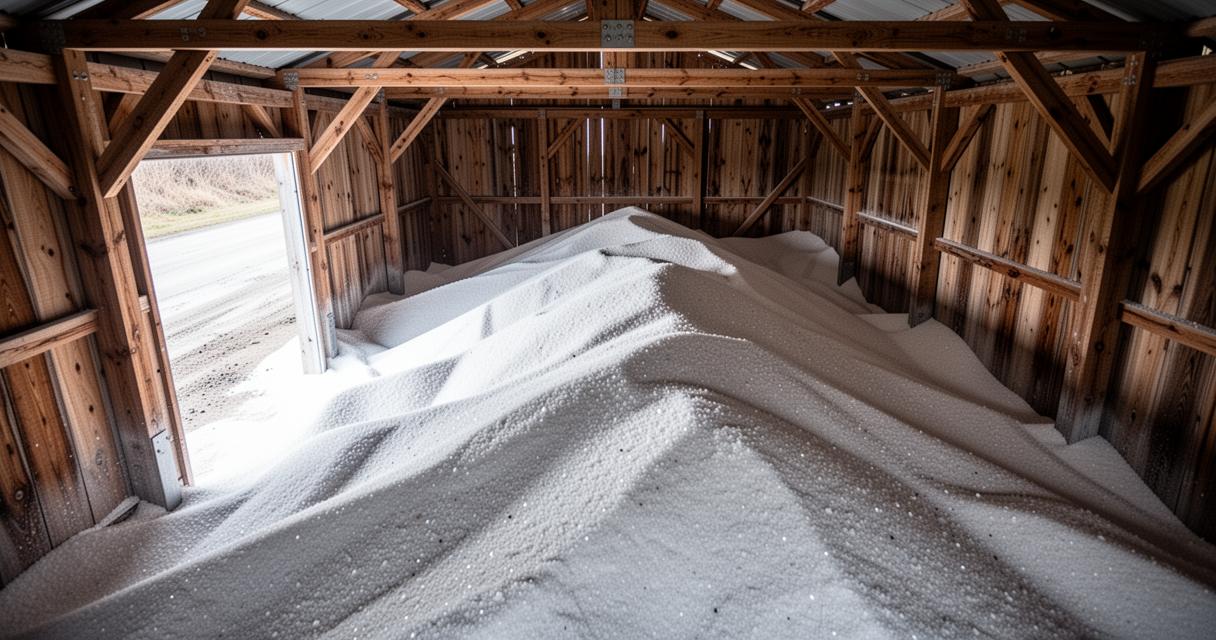
Storage is equally important. Gritting salt should be kept dry and covered when not in use, as exposure to moisture can cause it to clump or dissolve prematurely, reducing its effectiveness. Whether you are managing a rural lane, a busy retail car park or a school playground, a well-maintained stock of the right salt (combined with a clear gritting plan) is the most dependable way to keep surfaces safe throughout the winter months.