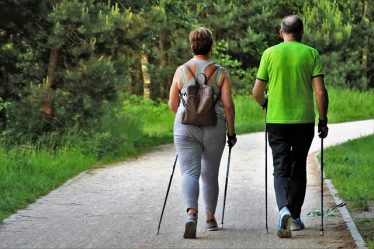

When the great British weather proves as unpredictable as ever, having a comprehensive understanding of what lies ahead can transform the way you approach your outdoor pursuits. Whether you're planning a weekend ramble through the countryside, organising a camping expedition, or simply hoping to enjoy a leisurely afternoon in the park, knowing what the skies have in store over the coming fortnight allows you to make informed decisions and maximise every moment spent in nature. Extended weather forecasts offer a valuable window into atmospheric conditions, helping you identify optimal windows of opportunity whilst preparing for less favourable spells that might otherwise catch you unaware.
Understanding extended weather forecasts for optimal planning
The science behind meteorological predictions has advanced considerably in recent years, yet interpreting these forecasts requires a bit of savvy. A fifteen-day outlook provides far more than a simple glance at whether you'll need your brolly or sunglasses. By examining temperature trends, precipitation probabilities, and wind patterns across a fortnight, you can begin to discern which days promise the most favourable conditions for your chosen outdoor activities. These extended forecasts take into account numerous atmospheric variables, offering a broader perspective that short-term predictions simply cannot match. For those keen on hiking, camping, backpacking, or mountaineering, this longer view proves invaluable when coordinating travel arrangements, booking accommodation, or arranging group expeditions.
Decoding Atmospheric Pressure and Its Impact on Your Activities
Barometric pressure serves as one of the most reliable indicators of approaching weather systems. High-pressure systems typically herald calm, clear conditions that are ideal for most outdoor pursuits, from water sports to leisurely nature walks. Conversely, falling pressure often signals the approach of unsettled weather, with increased cloud cover and the heightened likelihood of precipitation. By monitoring pressure trends over the fifteen-day period, you can anticipate when stable weather windows will emerge and plan accordingly. This proves particularly crucial for activities where safety depends on visibility and dry conditions, such as rock climbing or caving expeditions. Understanding these pressure patterns also helps you recognise when warm fronts might bring extended periods of overcast skies and light rain, or when cold fronts could deliver more dramatic weather hazards including thunderstorms that pose risks from lightning and sudden wind gusts.
The importance of 15-day meteorological predictions
Whilst short-term forecasts excel at pinpointing conditions for the next day or two, a fifteen-day outlook offers strategic advantages for anyone serious about making the most of their leisure time. This extended perspective allows you to identify clusters of favourable days, making it possible to schedule multi-day camping trips or backpacking adventures with greater confidence. National Weather Service data and specialist resources like Mountain Forecast provide detailed information including sunrise and sunset times, cloud cover percentages, and UV index readings that prove essential for outdoor education programmes and group safety planning. For those venturing into mountainous terrain, these forecasts also highlight elevation-specific conditions, helping you understand how temperature and precipitation risks change as you gain altitude. Remember that temperatures typically drop by around three and a half degrees Fahrenheit for every thousand feet of elevation gain, making those summit conditions considerably cooler than base camp readings might suggest.
Making the Most of Favourable Weather Windows
Once you've studied the fifteen-day forecast, the next step involves identifying those precious windows when conditions align perfectly with your planned activities. Perhaps the outlook reveals a sequence of days with minimal precipitation risk, moderate temperatures, and light winds, creating ideal circumstances for a weekend hiking expedition. Alternatively, you might spot a period of high humidity combined with elevated temperatures, suggesting that water-based activities or shaded forest walks would prove more comfortable than exposed moorland rambles. The key lies in matching your outdoor pursuits to the prevailing conditions rather than fighting against them. Wildlife enthusiasts will appreciate that forest cover becomes increasingly important during warmer periods, as mammals are substantially more likely to occupy wooded habitats when temperatures rise, making woodland trails more rewarding for nature observation.
Identifying perfect days for outdoor pursuits
The air quality index represents another crucial consideration when selecting optimal days for outdoor adventures. Readings between zero and fifty indicate good air quality, whilst values exceeding one hundred suggest conditions that may prove unhealthy for sensitive individuals. Combining air quality data with traditional meteorological information creates a more complete picture of outdoor conditions. Days featuring gentle breezes from a northeasterly direction, comfortable temperature ranges, and good visibility offer prime opportunities for activities requiring physical exertion such as mountaineering or long-distance cycling. Meanwhile, periods of high cloud cover might dampen the sunshine but could provide excellent conditions for photographers seeking dramatic skies or those hoping to avoid the intensity of direct sunlight during summer months. Conservation-minded adventurers will also appreciate understanding how their activities intersect with natural habitat preservation, particularly when exploring areas where wildlife populations depend on specific weather patterns and forest coverage.
Preparing for Temperature Fluctuations Throughout the Fortnight
Temperature variations across a fifteen-day period can prove surprisingly substantial, particularly in transitional seasons when warm fronts alternate with cooler air masses. The heat index, which accounts for both temperature and humidity levels, often reveals that conditions feel considerably warmer than the raw thermometer reading suggests. Studies have demonstrated that heat index values have increased faster than measured temperatures in some regions, with perceived temperatures rising by eight to eleven degrees Fahrenheit beyond what basic readings indicate. This phenomenon makes proper preparation essential, as what appears manageable on paper might feel oppressive in practice. Packing versatile clothing layers allows you to adapt to these fluctuations, whilst understanding the relationship between humidity and thermal comfort helps you schedule the most strenuous portions of your outdoor activities for periods when the heat index remains moderate. Carbon-neutral travel enthusiasts planning extended nature expeditions should also consider how temperature patterns influence both personal comfort and environmental conditions throughout their journey.
Navigating unpredictable conditions and mixed weather patterns
Even the most sophisticated fifteen-day forecast cannot eliminate uncertainty entirely, and British weather remains notorious for its capacity to surprise. The longer the forecast period, the greater the potential for variations from predicted conditions. This reality doesn't diminish the value of extended forecasts but rather emphasises the importance of building flexibility into your outdoor plans. By identifying several potential activity windows across the fortnight rather than committing rigidly to specific dates, you maintain the ability to adapt as conditions evolve. Emergency preparedness becomes paramount when venturing into remote areas, requiring appropriate gear for both the expected conditions and potential weather hazards that might emerge. Those engaged in mountaineering or high-altitude pursuits must remain particularly vigilant regarding freezing level forecasts and avalanche risks, as winter conditions can develop rapidly when temperature and wind patterns shift unexpectedly.
Managing your plans around precipitation risks
The chance of rain or snow represents perhaps the single most influential factor when planning outdoor adventures. A fifteen-day forecast typically presents precipitation probabilities that vary considerably across the period, with some days showing minimal risk whilst others indicate substantially higher chances of wet weather. Rather than automatically cancelling plans when rain appears likely, consider how different outdoor activities respond to precipitation. A light drizzle might prove perfectly manageable for a woodland walk equipped with proper waterproofs, whilst the same conditions could render rock climbing dangerous and caving expeditions potentially hazardous due to flooding risks. Elevation changes significantly influence precipitation patterns, with higher altitudes often experiencing rain or snow whilst lower elevations remain dry. Specialist forecasting tools help clarify these elevation-specific risks, allowing you to adjust routes or timing to avoid the worst conditions. Remember that warm fronts typically bring widespread overcast conditions with extended periods of light precipitation, whereas cold fronts deliver briefer but more intense weather including the possibility of thunderstorms that pose serious safety concerns through lightning strikes, sudden wind increases, and hail.
Adapting to Wind Direction and Sky Opacity Changes
Wind speed and direction profoundly affect the experience of outdoor activities, transforming pleasant conditions into challenging environments when gusts intensify. Strong winds prove particularly dangerous in mountain passes and narrow canyons where terrain funnels air flow, creating localised areas of extreme turbulence. A fifteen-day forecast revealing periods of sustained high winds suggests postponing exposed ridge walks or coastal activities in favour of sheltered valley routes or forested trails that provide natural windbreaks. Sky opacity and cloud cover influence both visibility and ambient light levels, with implications ranging from photography opportunities to navigation challenges. Dense cloud cover reduces visibility substantially, making map reading more difficult and increasing the likelihood of becoming disoriented in unfamiliar terrain. Conversely, clear skies enhance visibility but also intensify ultraviolet radiation exposure, necessitating appropriate sun protection measures. By tracking how cloud cover percentages vary across the fifteen-day period, you can anticipate which days offer the clearest views from summits and which might require enhanced navigation skills due to reduced visibility. Monitoring these patterns alongside sunrise and sunset times ensures you allocate sufficient daylight hours for your planned route, avoiding the risks associated with benightment through poor planning or underestimating the time required to complete your outdoor adventure safely and enjoyably.