
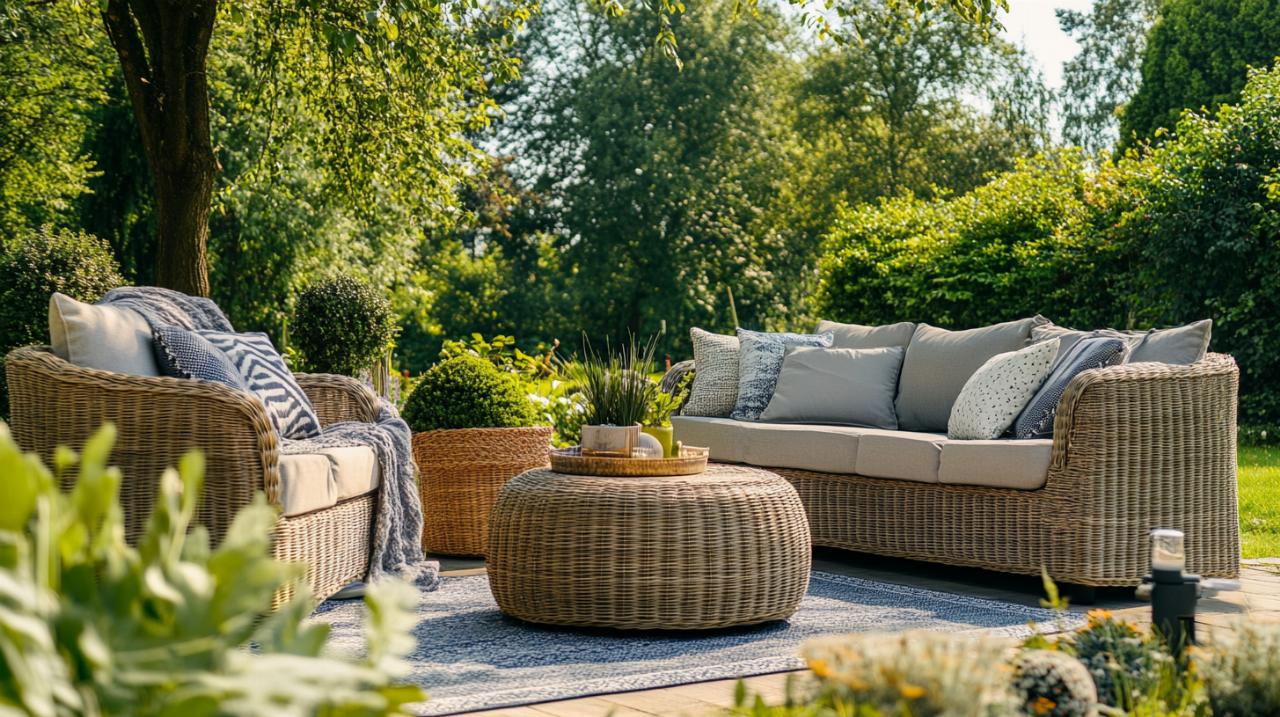
Protecting your outdoor furniture from the unpredictable British weather is essential if you want to maintain its appearance and extend its lifespan. Rain, wind, UV rays, and even bird droppings can take a toll on your cherished garden sets, parasols, and barbecues. Choosing the right cover is not merely about draping something over your furniture; it involves careful consideration of size, material, fastening mechanisms, and local climate conditions. With the right approach, you can ensure your outdoor pieces remain in pristine condition for years to come, ready to welcome you whenever the sun decides to make an appearance.
Understanding size and fit requirements
Measuring your furniture accurately for proper coverage
The first step in selecting the perfect outdoor furniture cover is to measure your pieces accurately. A cover that is too small will leave parts of your furniture exposed to the elements, while one that is excessively large can become a nuisance, flapping in the wind and potentially tearing. To avoid these pitfalls, take precise measurements of the length, width, and height of your furniture, allowing for a margin of around five centimetres to ensure a comfortable fit. This small allowance helps accommodate any irregularities in shape and makes it easier to slip the cover on and off. When measuring parasols, consider whether you have a pole parasol or a cantilever model, as the dimensions differ significantly. For those who enjoy browsing ideas and inspiration, websites such as fincaslavila.es offer a wealth of articles on home and garden improvements, including advice on outdoor furniture care.
Why a Snug Fit Prevents Water Ingress and Wind Damage
A snug fit is crucial for keeping moisture and wind at bay. When a cover is too baggy, it can trap water in folds and creases, creating pooling that eventually seeps through even the most robust fabric. Similarly, a loose cover is more susceptible to being caught by gusts of wind, which can cause it to tear or blow away entirely. A well-fitted cover, on the other hand, sits securely over your furniture, minimising the risk of water ingress and ensuring that every part is shielded from the elements. This is particularly important in the British climate, where sudden downpours and blustery conditions are all too common. By investing time in finding a cover that fits properly, you protect not only the fabric of the cover itself but also the furniture beneath.
Selecting the Right Fabric and Material
Waterproof and UV-Resistant Fabrics: What to Look For
The material of your cover is perhaps the most critical factor in determining its effectiveness. Look for fabrics that are genuinely waterproof rather than merely water-resistant, as the latter may not hold up during prolonged rain. High-quality polyester with taped seams is a popular choice, offering a good balance of durability and weather protection. Taped seams are particularly important because they prevent water from seeping through the stitching, which is often the weakest point in any cover. Additionally, UV-resistant fabrics are essential if your furniture is exposed to direct sunlight, as ultraviolet rays can cause fading and deterioration over time. A fabric rated at class seven or higher is generally robust enough to withstand the rigours of outdoor use, ensuring that your cover remains functional and attractive season after season.
The Importance of Breathable Materials in Preventing Mould
While waterproofing is vital, breathability is equally important. A cover that traps moisture beneath it can create the perfect environment for mould, mildew, and rust to develop, particularly on metal furniture frames. Breathable materials, often featuring a membrane that allows air to circulate while keeping water out, help to prevent condensation from building up. This is especially relevant during the cooler months when temperature differences between day and night can lead to moisture forming on the underside of the cover. Ripstop polyester with a breathable membrane is an excellent option, as it combines strength with ventilation, ensuring that your furniture remains dry and mould-free even after extended periods under cover.
Securing your covers against the british elements
Fastening mechanisms: straps, buckles, and drawstrings explained
Once you have selected the right size and material, the next consideration is how the cover will stay in place. Effective fastening mechanisms are essential for ensuring that your cover does not end up in the neighbour's garden during a storm. Straps, buckles, and drawstrings are the most common options, each with its own advantages. Straps with buckles offer a secure and adjustable fit, allowing you to tighten the cover around the base of your furniture. Drawstrings, on the other hand, provide a quick and easy way to cinch the cover closed, though they may require occasional adjustment. Some covers come with elastic hems that help to grip the furniture, while others feature Velcro or clip fastenings for added security. The key is to choose a system that is both reliable and convenient for your needs.
How to Ensure Covers Stay Put During Storms and High Winds
In addition to fastening mechanisms, there are other strategies you can employ to keep your covers securely in place. For parasols, many covers come with a stick or pole that can be inserted to provide support and prevent water from pooling on top. This simple accessory also helps to maintain the shape of the cover, reducing the risk of wind damage. For larger pieces of furniture, consider using additional weights or tie-downs, especially if you live in an area prone to high winds. Ground conditions can also play a role; if your furniture sits on a damp or uneven surface, moisture can rise and affect the feet of your furniture, so it is worth checking periodically that the cover is still providing adequate protection all around. By taking these extra precautions, you can rest assured that your covers will remain in place no matter what the weather throws at them.
Matching covers to your local weather conditions
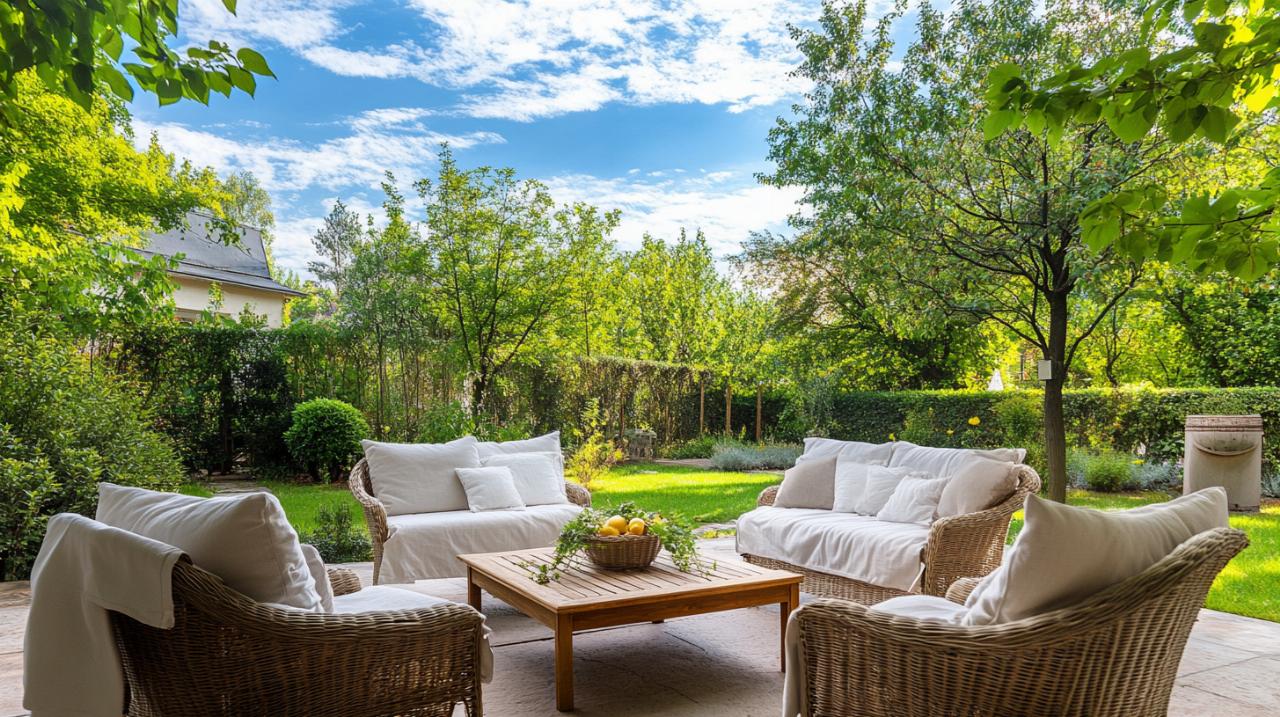
Heavy-duty protection for rainy british climates
The British climate is notoriously unpredictable, with rain being a near-constant companion throughout much of the year. For those living in areas with particularly high rainfall, heavy-duty waterproof covers are a must. These covers are typically made from thicker, more robust materials with reinforced seams and higher waterproof ratings. A rating system, often on a scale from one to ten, can help you gauge the level of protection a cover offers, with higher numbers indicating superior waterproofness. Heavy-duty covers may cost a bit more upfront, but they provide peace of mind and can save you money in the long run by extending the life of your furniture. It is also worth considering covers with additional features such as reinforced corners and extra stitching, which help to withstand the rigours of frequent use and harsh weather.
Prioritising uv protection for sunnier regions
While rain is a major concern, UV protection should not be overlooked, especially for those fortunate enough to live in sunnier parts of the country or who use their outdoor spaces during the warmer months. Prolonged exposure to sunlight can cause fabrics and finishes to fade, wood to crack, and plastic to become brittle. UV-resistant covers are treated with special coatings that reflect harmful rays, preserving the appearance and integrity of your furniture. Even if you live in a region where sunshine is less frequent, UV protection is still beneficial, as even intermittent exposure can accumulate over time. By choosing a cover with both waterproof and UV-resistant properties, you can ensure comprehensive protection for your outdoor furniture throughout the year.
Maintenance and cleaning considerations
Choosing easy-clean covers that save time and effort
Outdoor furniture covers are exposed to all manner of dirt, debris, and stains, so ease of maintenance is an important factor to consider. Covers that can be easily wiped down or hosed off will save you considerable time and effort in the long run. Many modern covers are designed with this in mind, featuring smooth surfaces that resist dirt and allow for quick cleaning. However, it is important to avoid using a washing machine, as the agitation and detergents can damage the waterproof coatings and breathable membranes. Instead, opt for gentle cleaning methods such as using a sponge or soft brush with a mild solution of green soap or a specialised moss and algae cleaner. This approach will help to keep your covers looking fresh without compromising their protective qualities.
Simple Methods for Keeping Your Covers Fresh and Functional
Regular maintenance can significantly extend the lifespan of your covers. After each period of use, take a few moments to check for any signs of wear or damage, such as frayed seams or small tears. Addressing these issues promptly can prevent them from becoming larger problems. If you notice any stubborn stains, treat them as soon as possible using a mild cleaning solution and a soft cloth. Avoid harsh chemicals or abrasive materials, as these can degrade the fabric over time. Additionally, ensure that the cover is completely dry before storing it away, as damp covers can develop mould or unpleasant odours. By incorporating these simple practices into your routine, you can keep your covers in excellent condition and ready for use whenever they are needed.
Storage solutions for off-season months
Compact Folding Options for Shed and Garage Space
When the outdoor season comes to an end, proper storage of your furniture covers is essential to ensure they remain in good condition for the following year. Many covers come with a storage bag, which not only keeps the cover neatly folded but can also be used to carry out minor repairs if needed. Compact folding is key, especially if you are limited on space in your shed or garage. Look for covers that can be easily folded into a manageable size without excessive bulk. This makes it easier to tuck them away on a shelf or in a corner, freeing up valuable space for other garden tools and equipment. Some manufacturers design their covers with this in mind, ensuring that they fold down neatly without compromising the integrity of the fabric.
Tips for Storing Covers to Extend Their Lifespan
Proper storage goes beyond simply folding your covers away. Before storing, make sure the cover is clean and completely dry to prevent mould and mildew from developing during the off-season. Choose a cool, dry location for storage, away from direct sunlight and moisture. If possible, hang the cover on a hook or rail rather than folding it, as this can help to prevent creases and maintain the shape of the fabric. If folding is necessary, try to vary the fold lines each time to avoid permanent creases. Additionally, check the cover periodically during the off-season to ensure that no pests have taken up residence and that the fabric remains in good condition. By following these storage tips, you can ensure that your covers are ready to provide reliable protection when the next outdoor season begins.