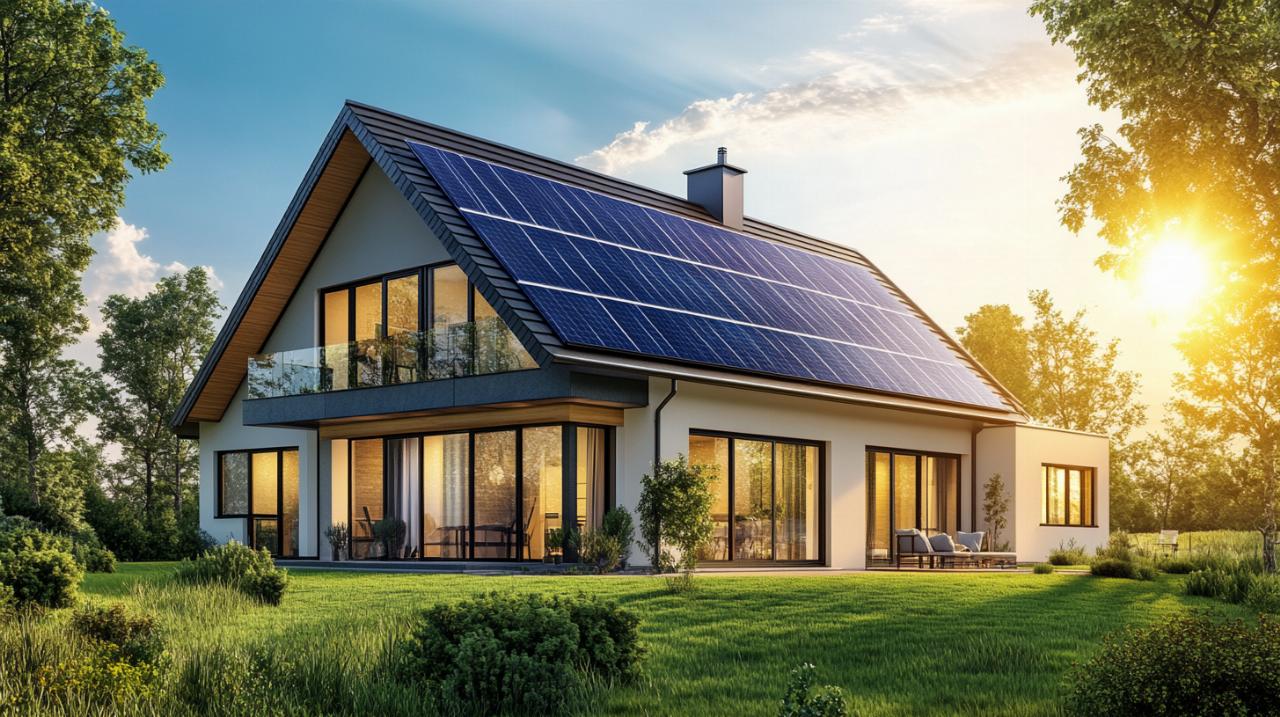
Harnessing the sun's power for your home has never been more accessible, with solar panel kits offering homeowners a straightforward pathway to renewable energy. These comprehensive solutions promise not only to reduce your monthly electricity expenses but also to enhance your property's environmental credentials. As interest in sustainable living continues to grow across the UK, understanding the full potential of these systems and ensuring proper installation through adequate training becomes essential for maximising both performance and return on investment.
Essential solar training for maximising your mon kit solaire installation
When it comes to deploying solar technology on your property, the difference between adequate and exceptional performance often comes down to proper installation knowledge. A typical 3000W solar kit functions as a miniature power station for your dwelling, converting sunlight into usable electricity through a carefully orchestrated system of components. These kits generally include six to eight solar panels, an inverter to convert direct current into alternating current suitable for household appliances, a mounting system, necessary cables and connectors, and a production metre to track your energy generation. Understanding how these elements work together represents the foundation of successful solar adoption.
Professional installation guidance for optimal system performance
The location and positioning of your solar panels dramatically influence their efficiency, making informed installation decisions crucial. In the northern hemisphere, south-facing placement remains the gold standard for capturing maximum sunlight throughout the day. The tilt angle proves equally important, with an optimal range between thirty and forty-five degrees for properties across France and similar latitudes. Whilst many modern solar kits advertise themselves as plug and play solutions requiring minimal technical expertise, certain configurations demand professional involvement. Grid-tied systems that connect to the mains electricity supply and allow you to sell surplus energy back to your provider require a qualified electrician to ensure compliance with safety standards and regulations. Hybrid systems combining grid connection with battery storage similarly necessitate expert installation to manage the complex interplay between power sources. For roof installations, homeowners typically need to submit a prior declaration of works to the local council, a process that generally takes about a month to complete.
Understanding your home solar panel kit components and functionality
Solar panel technology has evolved considerably, offering homeowners various options suited to different budgets and performance expectations. Monocrystalline panels represent the premium choice, distinguished by their black appearance and superior efficiency in converting sunlight to electricity. Polycrystalline panels provide a more affordable alternative, identifiable by their blue hue, whilst thin-film panels offer flexibility for unconventional installations despite lower efficiency ratings. The inverter serves as the system's brain, transforming the direct current generated by your panels into alternating current compatible with household electronics and appliances. For those seeking energy independence beyond grid connectivity, battery storage solutions enable you to stockpile electricity produced during peak sunlight hours for use during evenings or overcast days. Charge controllers regulate the flow of electricity to prevent battery damage, whilst monitoring systems through mobile applications or web interfaces allow you to track energy production in real time. Many homeowners programme appliances to operate when solar generation peaks, maximising self-consumption and minimising reliance on grid electricity.
Key Advantages of Mon Kit Solaire for Your Residential Property
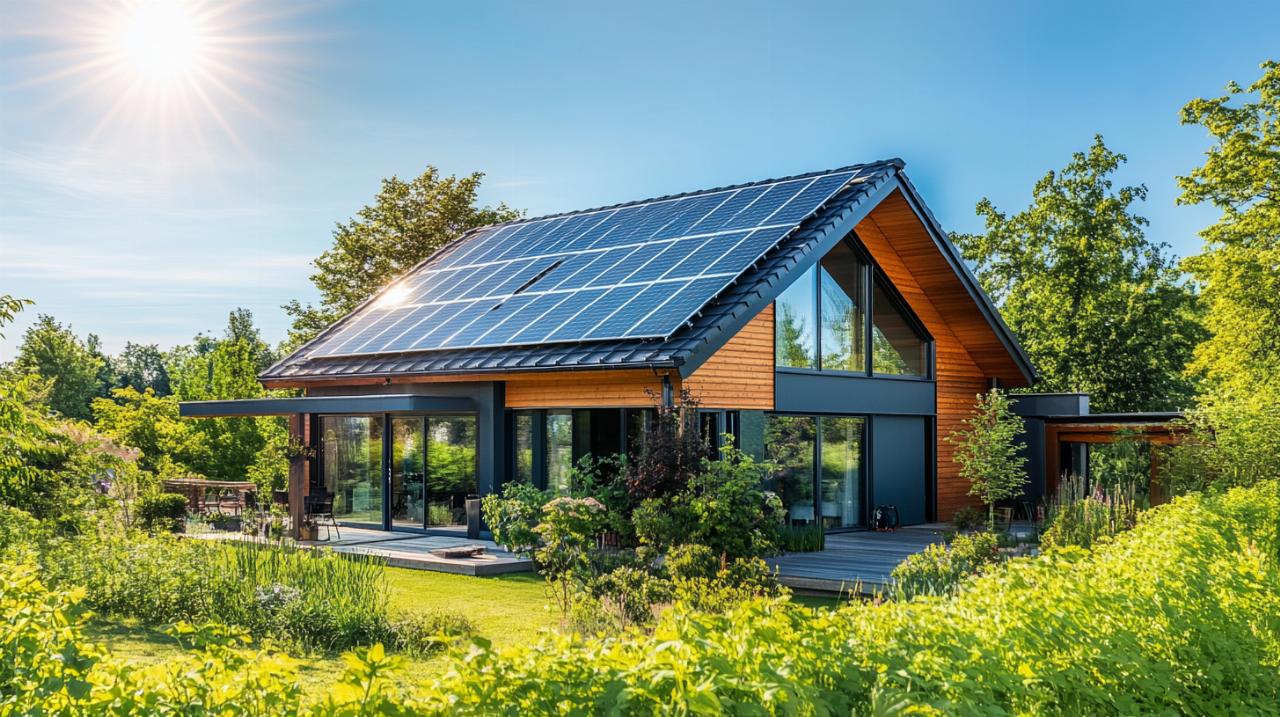
The financial appeal of solar technology extends well beyond initial novelty, representing a substantial long-term investment in your property's energy infrastructure. Modern self-consumption systems come in two primary configurations: total self-consumption where you utilise all electricity produced, and self-consumption with surplus sale where excess energy flows back to your energy supplier for compensation. This flexibility allows homeowners to tailor their approach based on consumption patterns and financial objectives.
Long-term energy savings and reduced electricity bills
The return on investment timeline for a 3000W solar kit demonstrates compelling economics over the system's operational lifespan. During the first year, homeowners might save approximately seven hundred pounds on electricity costs, an amount that accumulates to three thousand five hundred pounds by year five and seven thousand pounds by the decade mark. These systems typically maintain productivity for twenty-five to thirty years, with correctly installed panels potentially functioning for three decades when properly maintained. Most manufacturers back their products with a ten to twelve year product warranty alongside a twenty-five year performance guarantee, ensuring panels retain at least eighty percent of their initial power output throughout this extended period. Regular cleaning with mild soap and water, coupled with periodic inspections for damage, helps maintain optimal efficiency. Financial aid schemes further enhance affordability, including self-consumption premiums, reduced VAT rates, and local council assistance programmes. The initial investment varies depending on system capacity, with kits ranging from two point five to three point five kilowatts typically costing between three hundred and one thousand pounds, representing an accessible entry point for many households.
Environmental benefits and increased property value
Beyond personal financial advantages, solar panel installations contribute meaningfully to broader environmental objectives by reducing dependence on fossil fuels and lowering your property's carbon footprint. Each kilowatt-hour generated by your panels represents electricity that need not be produced through conventional means, directly supporting the energy transition towards renewable sources. This environmental stewardship increasingly resonates with property buyers, with solar installations demonstrating a measurable positive impact on home values. Properties equipped with professionally installed systems command premium prices in the housing market, as prospective buyers recognise both the ongoing cost savings and environmental benefits. However, it bears noting that DIY installations may prove less attractive to buyers who typically prefer systems installed by qualified professionals with proper certifications. The aesthetic integration of solar technology has improved dramatically, with modern panels designed to complement rather than detract from architectural features. As technological advancement continues, future innovations promise even greater efficiency through improved panel designs and artificial intelligence systems that optimise energy management based on consumption patterns and weather forecasting. The trajectory of solar technology pricing suggests continued accessibility improvements, making these systems increasingly viable for a broader spectrum of homeowners seeking to embrace sustainable energy independence whilst reducing their monthly expenditure on electricity.