
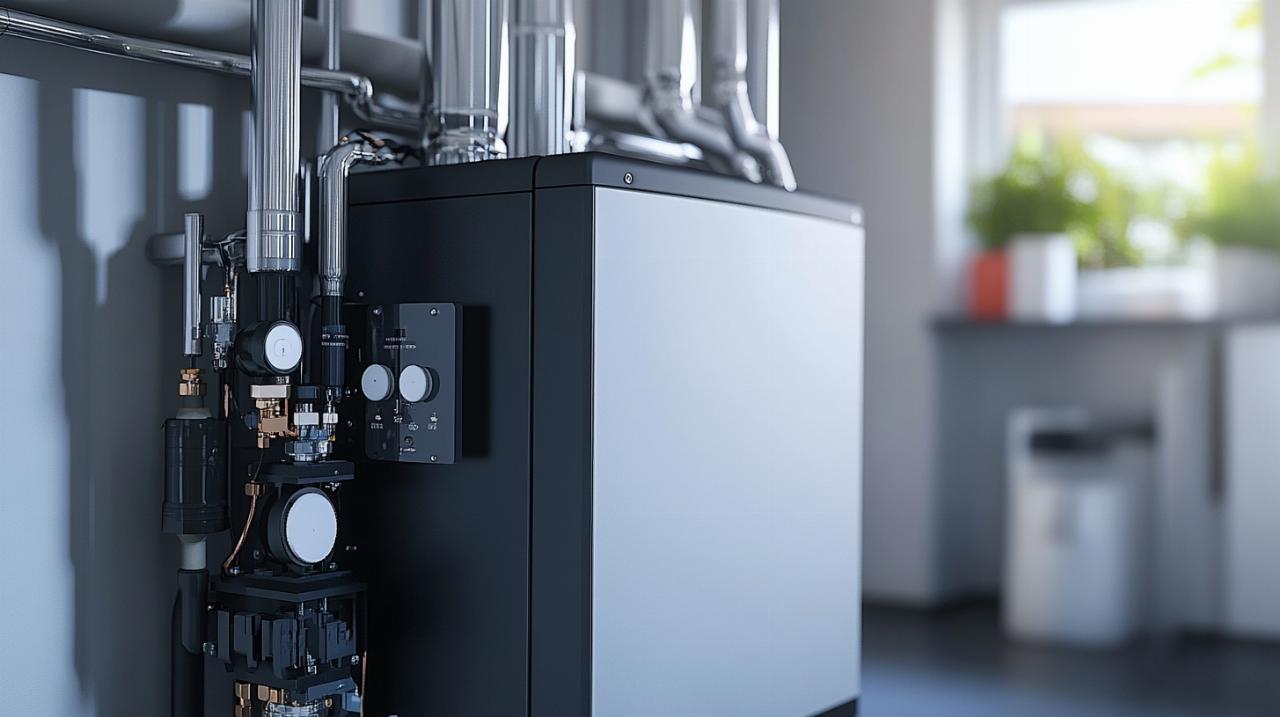
The evolution of home heating technology has brought condensing boilers to the forefront of efficient domestic energy use. These systems represent a significant leap forward from traditional models, offering homeowners a practical way to reduce both energy consumption and environmental impact. As regulations have pushed the industry towards greener solutions, understanding how these modern heating systems function and what they require for optimal performance has become essential for anyone looking to upgrade or maintain their home comfort systems.
How condensing boilers work and their efficiency benefits
Condensing boilers have transformed the landscape of residential heating by introducing a remarkably efficient approach to fuel utilisation. Unlike older models that allowed valuable heat to escape through the flue, these advanced systems capture and repurpose energy that would otherwise be wasted. The technology centres on a clever principle of heat recovery that maximises every unit of gas, oil, or LPG consumed. This fundamental shift in design philosophy has made condensing technology the standard for new installations across the United Kingdom, with regulations requiring all modern boilers to incorporate this efficiency-enhancing feature since April 2005.
The heat recovery process in condensing technology
The heart of a condensing boiler lies in its ability to extract additional warmth from exhaust gases before they exit the system. Traditional boilers release flue gases at temperatures exceeding two hundred degrees Celsius, representing a substantial loss of potential energy. In contrast, condensing models employ a secondary heat exchanger specifically designed to cool these gases down to approximately fifty-five degrees Celsius. During this cooling process, water vapour within the exhaust condenses into liquid form, releasing latent heat that is then transferred to the incoming cold water supply. This reclaimed energy pre-heats the water entering the primary heat exchanger, meaning the boiler requires less fuel to achieve the desired temperature for central heating and domestic hot water needs. The condensation process produces roughly one to two litres of wastewater per hour, which requires proper drainage through a dedicated condensate pipe, typically a white plastic tube visible near the boiler installation. This distinctive feature, along with the characteristic plume of steam from the flue, provides clear visual indicators that a condensing system is operating as intended.
Why condensing boilers save money on your energy bills
The financial benefits of condensing technology stem directly from its superior efficiency ratings, which can reach beyond ninety percent compared to conventional models that typically achieve only seventy to eighty percent. This substantial improvement translates into meaningful savings on utility bills, with households potentially reducing their heating costs by twenty-five to thirty percent. The enhanced performance means less fuel is needed to maintain comfortable temperatures throughout the home, making every penny spent on energy go further. Beyond the immediate cost savings, these systems contribute to a smaller carbon footprint by reducing greenhouse gas emissions, aligning with environmental targets whilst providing consistent heat distribution across all radiators and hot water outlets. For those considering an upgrade, the combination of lower running costs and improved reliability makes condensing boilers an attractive investment, particularly given that modern manufacturing techniques have brought down production costs through advances in heat exchanger materials. To explore more insights on home energy management and heating system innovations, visit casamaribona.es where discussions on efficient domestic solutions continue to evolve.
Installation and Maintenance Essentials for Condensate Systems
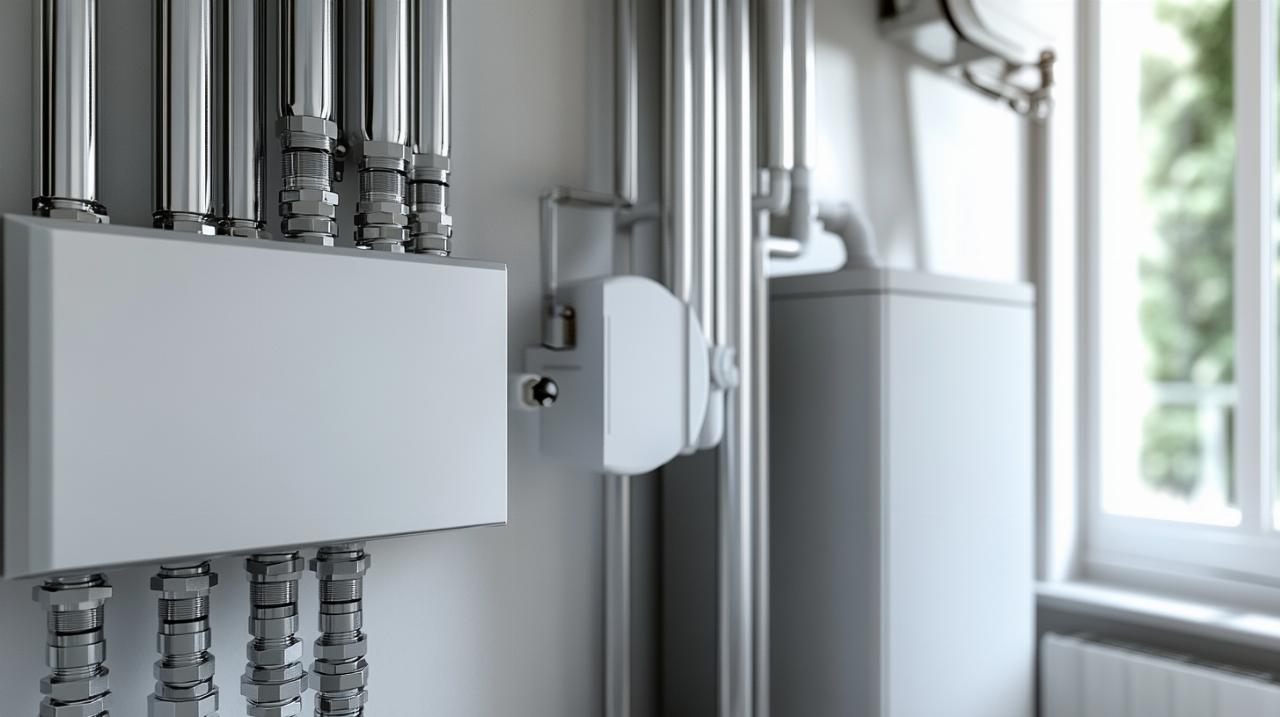
Proper installation and ongoing care remain critical factors in ensuring condensing boilers deliver their promised efficiency and longevity. The requirements differ slightly from traditional systems, particularly regarding the management of condensation byproducts and the positioning of key components. Homeowners and installers alike must understand these specific needs to avoid common pitfalls that can compromise system performance or lead to operational failures during critical periods.
Proper condensate drainage requirements and solutions
The condensate produced during normal operation must be safely and effectively removed from the system, making drainage arrangements a fundamental consideration during installation. Condensing boilers must be positioned on an exterior wall to facilitate the proper disposal of both waste gases through the flue and condensate water through the drainage pipe. This wastewater, which carries a mildly acidic composition due to the combustion process, should ideally connect directly to an internal waste pipe or drain, ensuring continuous and reliable removal regardless of external conditions. In situations where internal drainage proves impractical, external condensate pipes can be installed, though these require careful attention to routing and insulation to prevent complications. The drainage system must be designed to handle the steady flow of liquid produced throughout the heating cycle, with appropriate fall angles and pipe sizing to prevent blockages. Regular inspections should verify that condensate flows freely and that no obstructions have developed within the drainage path. Professional installation by a Gas Safe registered engineer ensures compliance with building regulations and manufacturer specifications, providing peace of mind that the system will function correctly from the outset. Annual servicing should include checks of the condensate trap and drainage route to identify any potential issues before they escalate into more serious problems.
Preventing frozen condensate pipes during winter months
The vulnerability of external condensate pipes to freezing temperatures represents one of the most common causes of condensing boiler failures during cold weather. When temperatures drop below freezing, the wastewater within exposed sections of the condensate pipe can solidify, creating a blockage that prevents normal operation and triggers safety shutdowns. To mitigate this risk, several preventative measures should be implemented during installation. Condensate pipes running externally should be kept as short as possible, with larger diameter piping used for any unavoidable external sections to reduce the likelihood of complete freezing. Insulation sleeves provide an additional layer of protection, though they should not be relied upon as the sole defence against severe cold. Where feasible, condensate pipes should be routed through heated spaces or positioned close to building walls where ambient temperatures remain slightly higher. Installers may also incorporate heating trace cables for particularly exposed sections, though this adds complexity and ongoing energy consumption. During exceptionally cold spells, homeowners can take temporary measures such as gently warming frozen sections with warm water or applying towels soaked in hot water to the affected area, avoiding the use of boiling water or direct flame which could damage the pipe. Understanding these winter-specific challenges and planning accordingly during the initial installation phase can prevent the inconvenience and expense of emergency repairs when heating is needed most. Regular servicing appointments provide opportunities to assess condensate pipe arrangements and make improvements where experience has shown vulnerabilities, ensuring the system remains reliable throughout the heating season and maintains the efficiency benefits that make condensing technology such a valuable advancement in modern home comfort.