
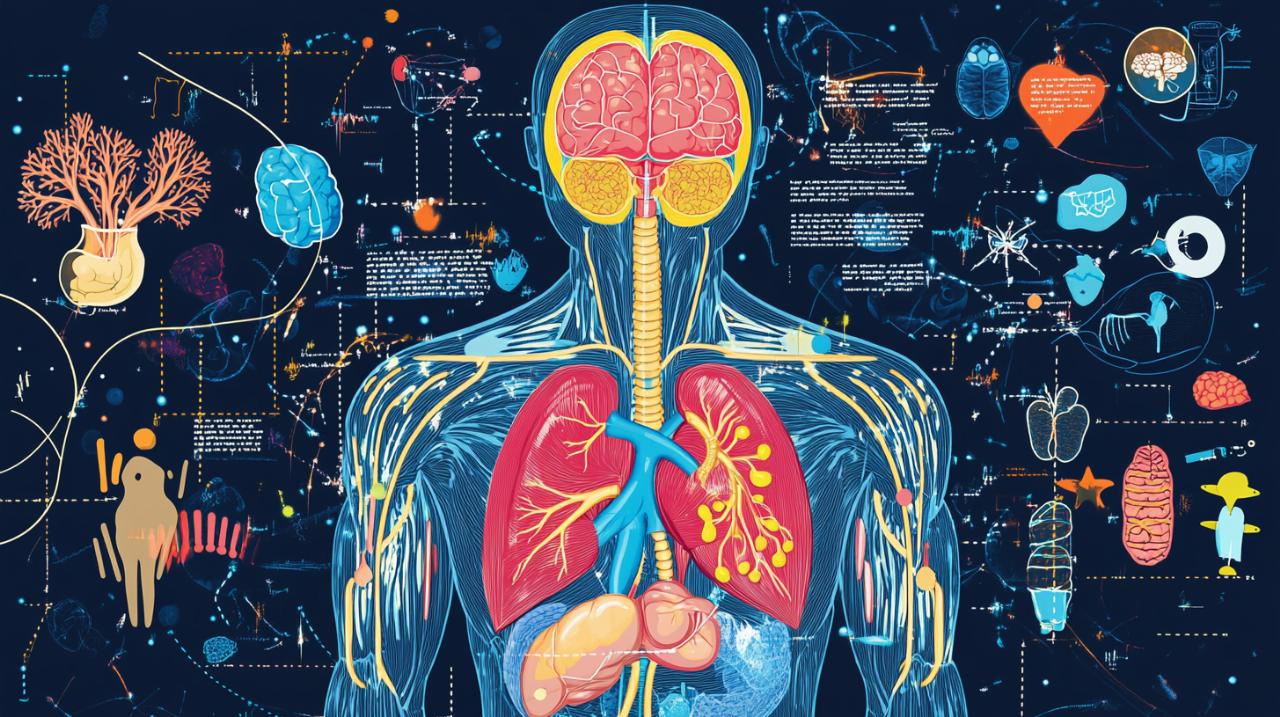
The process by which a single fertilised egg transforms into a fully formed organism is nothing short of extraordinary. Developmental biology explores this remarkable journey, revealing how cells communicate, differentiate, and organise themselves into the complex structures that make up living beings. From the earliest moments of conception to the emergence of intricate organs and tissues, every step is governed by a symphony of genetic instructions and environmental cues. Understanding these mechanisms not only sheds light on the origins of life but also opens doors to new medical treatments and insights into evolution itself.
The Blueprint of Life: How Cells Know What to Become
Genetic instructions and cellular differentiation
At the heart of organism formation lies the genome, a comprehensive set of instructions encoded within DNA. Each cell in the developing embryo carries the same genetic information, yet somehow, these cells become wildly different from one another. Muscle cells, nerve cells, and skin cells all emerge from the same starting point, and the secret to this transformation is cellular differentiation. This process involves the selective activation and silencing of specific genes, allowing cells to adopt specialised roles. The study of Hox genes has been particularly illuminating, as these genes play a crucial role in body formation and embryonic patterning. They act as master regulators, determining where limbs, organs, and other structures will develop along the body axis. Research into these genes has revealed that despite the vast diversity of life forms, many of the genetic mechanisms underpinning development are remarkably conserved across species.
The Role of Signalling Molecules in Early Development
Beyond the genetic code itself, cells rely on a network of signalling molecules to communicate with one another and coordinate their behaviour. These molecules act as messengers, travelling between cells to convey information about position, timing, and fate. During early development, gradients of signalling molecules establish the basic layout of the embryo, guiding cells to their proper locations and instructing them on what to become. This intricate dance of signals ensures that the right cells form in the right places at the right times. The discovery of these signalling pathways has revolutionised our understanding of development, showing that organisms are not simply products of their genes but are shaped by dynamic interactions between genetic programmes and environmental influences. This interplay is essential for the formation of complex body plans and the emergence of new structures during evolution.
From Single Cell to Complex Creature: The Stages of Embryonic Development
Fertilisation and the First Cell Divisions
The journey begins the moment a sperm cell fuses with an egg, creating a single cell known as a zygote. This newly formed cell contains all the genetic material needed to build an entire organism, and it wastes no time getting started. The zygote undergoes a series of rapid cell divisions called cleavage, producing a ball of cells that gradually increases in number. These early divisions are somewhat unusual because the cells do not grow between divisions; instead, the original volume of the zygote is simply partitioned into smaller and smaller cells. Despite the simplicity of this process, it sets the stage for everything that follows. The cells begin to organise themselves, forming a hollow sphere called a blastula. This structure marks the first major milestone in embryonic development, and from here, the embryo begins to take on a more complex architecture.
Gastrulation and the Formation of Body Layers
One of the most critical events in early development is gastrulation, a process during which the simple ball of cells is transformed into a multilayered structure. This stage involves large-scale movements of cells, as groups migrate to new positions within the embryo. The result is the formation of three distinct layers: the ectoderm, mesoderm, and endoderm. Each of these layers will give rise to different tissues and organs. The ectoderm forms the skin and nervous system, the mesoderm produces muscles, bones, and the circulatory system, and the endoderm develops into the digestive tract and associated organs. Gastrulation is a truly transformative process, and it is during this stage that the basic body plan is established. The study of this process has revealed that many of the mechanisms involved are ancient, having been conserved across hundreds of millions of years of evolution. This is part of what makes the field of evolutionary developmental biology, or evo-devo, so fascinating. By comparing development across different species, researchers can trace the origins of body plans and understand how genetic mechanisms have been modified to produce the incredible diversity of life we see today.
Nature's masterclass: pattern formation and tissue organisation
How organs take shape during development
As the embryo continues to develop, the three body layers begin to fold, bend, and organise themselves into the beginnings of organs and tissues. This process is guided by a combination of genetic programmes and physical forces. Cells change shape, migrate, and even die in carefully controlled ways to sculpt the emerging structures. The formation of organs is a highly coordinated affair, requiring precise timing and spatial organisation. For instance, the development of the eye involves a complex series of interactions between different cell types and tissues. Studies on eye development in various organisms, including Drosophila, have shown that many of the underlying genetic pathways are shared, even between species as different as flies and humans. This remarkable conservation suggests that the basic toolkit for building complex organs was established very early in the history of animal life, likely before the Cambrian explosion around 550 million years ago, a period lasting 45 million years that saw the rapid diversification of body plans and the appearance of most major animal groups.
The brilliant mechanisms behind symmetry and structure
One of the most striking features of many organisms is their symmetry. Whether bilateral, radial, or otherwise, symmetry is a fundamental aspect of body organisation. The mechanisms that establish symmetry are deeply rooted in developmental biology, involving gradients of signalling molecules and the precise positioning of cells. These systems ensure that the left side of an organism mirrors the right, or that structures are evenly distributed around a central axis. Beyond symmetry, the overall structure of an organism is shaped by a variety of processes, including cell adhesion, extracellular matrix formation, and tissue remodelling. Hair follicle development in mammals, for example, involves intricate signalling between epithelial and mesenchymal cells, resulting in the formation of these small but complex structures. The study of such processes has been greatly advanced by the field of evo-devo, which became an official discipline in 1999. Since then, researchers have made significant strides in understanding how developmental pathways evolve and how changes in these pathways can lead to new forms and functions. A special feature on evo-devo in PNAS included eight perspective articles, one review, and fifteen research articles, showcasing the breadth and depth of this field. These studies have explored topics ranging from genomic complexity and phylogenetic trees to the evolution of specific structures in both animals and plants. Even the plant kingdom has been part of the evo-devo revolution, with research revealing how similar genetic mechanisms can be adapted to produce the diverse forms seen in the plant world. Research articles have utilised bright field and polarised micrograph images of putative Precambrian bilaterian fossils, offering glimpses into the deep history of development and the origins of complex life. By examining these ancient traces, scientists are piecing together the story of how the first bilaterally symmetrical animals arose and how their developmental programmes set the stage for the extraordinary diversity of life that followed.