
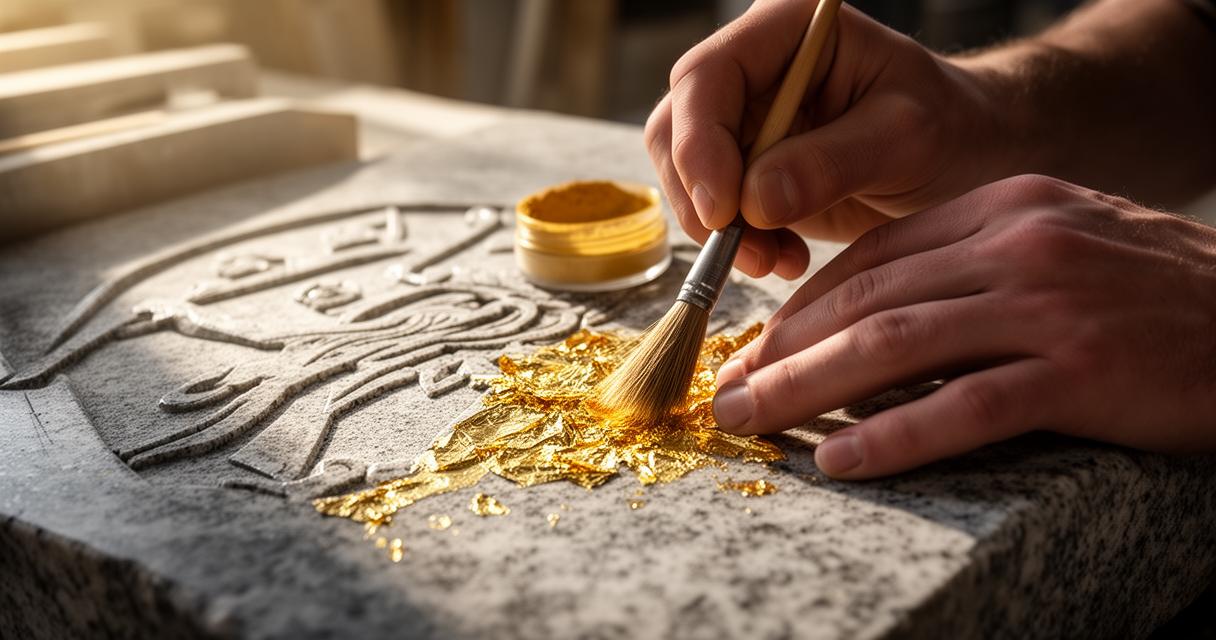
A memorial plaque stands as a lasting tribute to a loved one, but time, weather, and everyday wear can gradually dull its surface and blur the details that make it so meaningful. Whether crafted from stone, metal, brass, or bronze, these tributes benefit from thoughtful care and, when needed, professional restoration. This guide walks through the practical steps involved in bringing a memorial plaque back to life, from understanding materials to managing the cost of the work.
The essentials
- Understanding the specific material of a memorial plaque, such as granite, marble, bronze, or brass, is essential to determine the appropriate restoration method.
- A professional condition assessment is necessary to distinguish between simple cleaning needs and more extensive repairs caused by weathering or corrosion.
- For minor surface grime, a gentle cleaning using warm water and mild soap with a soft cloth is the safest and most effective starting point.
- Advanced techniques like re-champing and gilding are required to restore legibility and contrast to faded inscriptions and decorative details.
- Restoration projects prioritize the preservation of personal details, such as names and dates, to ensure the memorial remains accurate for future generations.
- Restoration costs generally range from £125 for basic cleaning to £175 for comprehensive treatments, depending on the complexity and labor involved.
Understanding memorial plaque materials and their restoration needs
Common Stone Types and Metal Finishes Used in Memorial Plaques
Memorial plaques are made from a variety of materials, each with its own character and its own vulnerabilities. Granite and marble remain popular choices for their durability and classic appearance, while bronze and brass finishes offer a warm, distinguished look that many families favour. Metal plaques often carry a lacquered or polished coating that helps resist the elements, though this finish inevitably wears away over the years. Stone surfaces, meanwhile, can absorb moisture and grime, which affects both their colour and the clarity of any engraved lettering. Recognising the specific material of a plaque is the first step towards choosing the right restoration approach, since a technique suited to bronze may not be appropriate for granite or marble.
Assessing the Condition: Identifying Tarnish, Weathering, and Damage
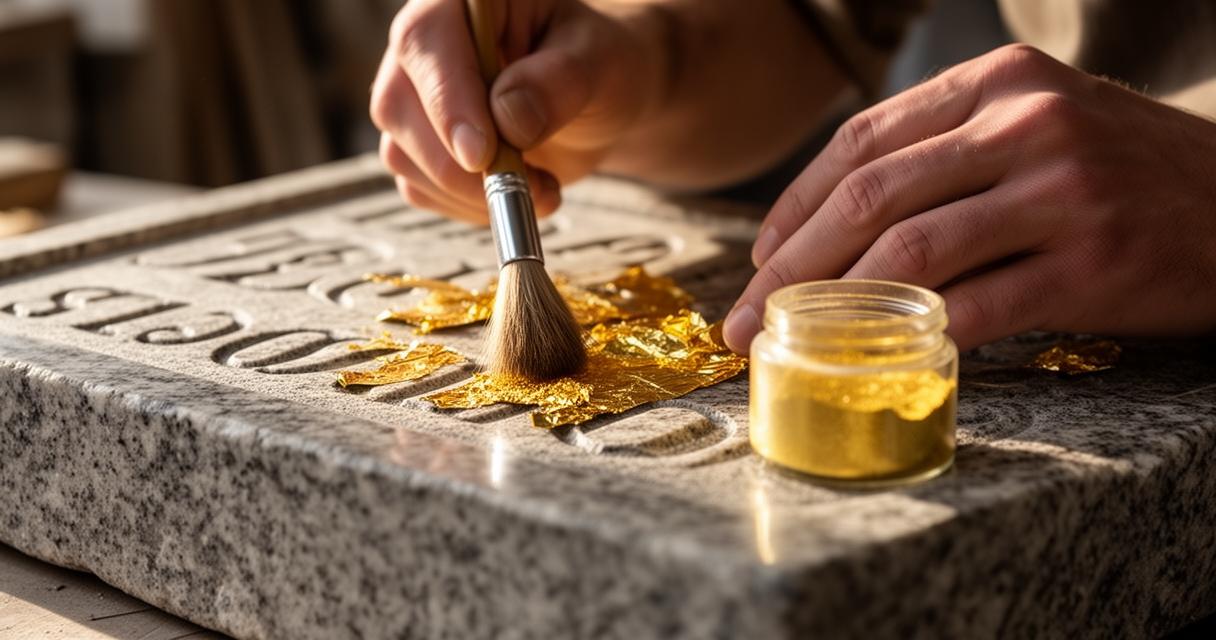
Before any work begins, a careful condition evaluation is essential. Signs such as fading lettering, surface tarnish, green or brown corrosion on metal, and general weathering all indicate that a plaque needs attention. Some plaques may only require a gentle clean, while others show deeper damage that calls for more involved repair work. Specialists such as AJG Grave Tending, who provide grave tending services across Kent, Sussex, Surrey, and South East London, typically begin with a thorough assessment to determine exactly what a plaque needs. This kind of professional condition evaluation ensures that no unnecessary work is carried out, and that the chosen method suits the plaque’s age, material, and level of deterioration.
Practical Restoration Techniques: From Cleaning to Re-champing and Gilding
Step-by-Step Guide to Cleaning Memorial Plaques with Soapy Water
For plaques showing only light surface grime, a simple clean can make a remarkable difference. The safest starting point is warm water mixed with a mild soap, applied gently with a soft cloth or sponge to avoid scratching the surface. Working in small sections, the soapy water should be applied in gentle circular motions, then rinsed thoroughly with clean water to remove any residue. Harsh chemicals or abrasive scrubbing pads are best avoided, as they can strip protective coatings or damage delicate engravings. Once cleaned, the plaque should be dried carefully with a soft towel to prevent water spots from forming. This straightforward approach is often enough to restore a noticeable amount of shine and legibility, particularly for plaques that have only recently begun to show signs of dullness.
Advanced restoration methods: re-champing letters and refreshing gilded inscriptions
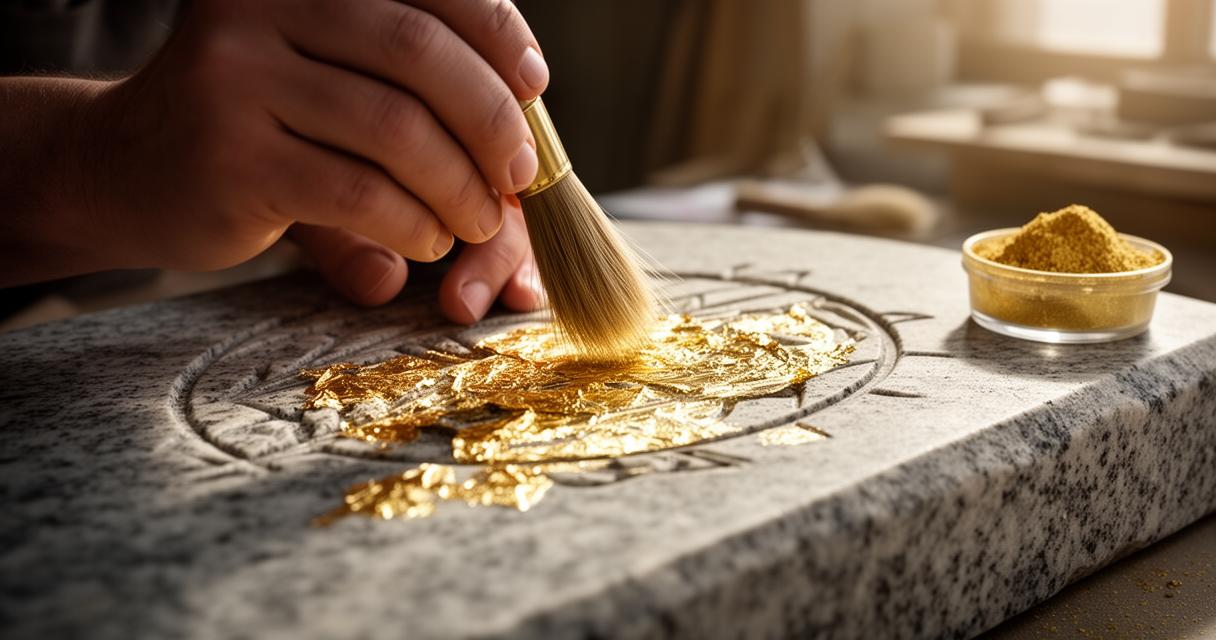
When a plaque has suffered more significant fading or corrosion, more advanced techniques come into play. Re-champing, which involves refilling and redefining the lead or paint within engraved letters, restores crisp legibility to inscriptions that have become difficult to read. Gilding, meanwhile, refreshes gold lettering that has worn away over time, bringing back the elegant contrast between the inscription and the plaque’s base material. These techniques require skill and precision, as the goal is always to enhance the plaque without damaging its original inscriptions or design. Reputable services take great care during this process, ensuring that dates, names, and decorative details remain exactly as they were intended. Restoration duration can vary considerably depending on the plaque’s size, material, and overall condition, so patience is often needed to achieve the best possible result.
Preserving personalisation and managing restoration costs
Maintaining Inscriptions, Dates, and Personal Details for Future Generations
A memorial plaque is more than a physical object; it carries names, dates of birth and death, and often personal messages that hold deep significance for families. Preserving this personalisation is central to any respectful restoration project. Skilled restorers take extra care to protect these details, ensuring that inscriptions remain accurate and legible for generations to come. Many services also provide photographic documentation once work is complete, giving families a visual record of the restoration and peace of mind that the memorial has been handled with the appropriate level of care. Ongoing maintenance advice is typically offered too, helping families understand simple steps they can take at home to slow future fading or corrosion and prolong the plaque’s condition between professional visits.
Budgeting for Memorial Plaque Restoration: Price Considerations and Professional Services
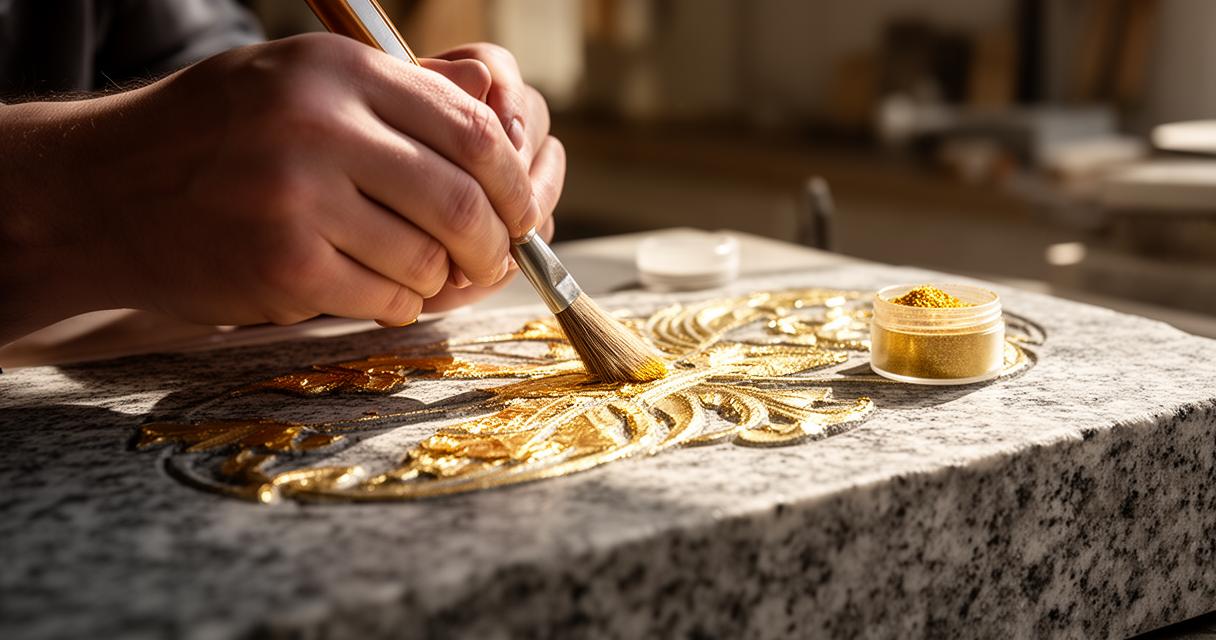
Cost is naturally a consideration when planning any restoration work, and prices vary depending on the extent of the damage and the techniques required. Basic cleaning and minor touch-ups tend to sit at the lower end of the price scale, while more involved work such as re-champing or gilding will cost more due to the skill and materials involved. As a general guide, professional restoration services often start from around one hundred and twenty-five pounds for simpler jobs, rising to roughly one hundred and seventy-five pounds for more comprehensive treatments. Companies such as AJG Grave Tending, based near Chatham and serving Kent along with surrounding counties, offer estimates upon request, and interested families can call for a personalised quote. With well over one hundred and fifty testimonials shared across Google and Facebook, such services have built a solid reputation for combining technical skill with genuine sensitivity, ensuring every memorial plaque restoration is carried out with the dignity and respect it deserves.