

The world of woodwork encompasses a rich tapestry of skills and trades that have shaped the built environment for centuries. From the sturdy frameworks that support entire buildings to the exquisitely crafted furniture that graces our homes, the contributions of skilled tradespeople remain indispensable. Understanding the nuances between different carpentry specializations and the distinct role of cabinetmakers not only illuminates the breadth of this field but also helps clients and aspiring tradespeople appreciate the unique expertise each professional brings to a project.
Distinguishing chippies from cabinet makers: core differences
Carpentry stands as one of the oldest and most sought-after trades within the construction industry, offering a diverse array of career opportunities that span from large-scale structural work to delicate finishing touches. At its heart, the distinction between general carpenters and cabinetmakers lies in the scope of their work, the materials they favour, and the environments in which they operate. Carpenters typically engage with the broader aspects of building construction, working with timber, lumber, steel, and concrete to assemble frameworks and structural elements. They read blueprints, measure with precision, and ensure that the skeleton of a building stands firm and true. The term chippy, a colloquial expression for a carpenter in the United Kingdom, evokes images of tradespeople moving between sites, tools in hand, ready to tackle everything from framing walls to installing skirtings. Resources such as maderascovelo.es have explored this distinction in depth, highlighting how carpentry encompasses various subspecialties that each demand particular skills and knowledge.
Cabinetmakers, by contrast, dedicate themselves to the creation of bespoke furniture and custom-made storage solutions. Their work centres on crafting pieces that are as functional as they are aesthetically pleasing, often tailored to the exact specifications and desires of individual clients. While carpenters may work on the structural integrity of a building, cabinetmakers focus on producing items such as kitchen cabinets, wardrobes, bookshelves, and intricate decorative furniture. They provide detailed drawings and material suggestions, guiding clients through choices of wood species, finishes, and joinery techniques. This specialization requires a keen eye for design, an understanding of wood behaviour, and mastery of fine joinery methods that ensure every joint is seamless and every surface smooth.
Scope of Work and Project Types
The range of projects undertaken by carpenters is remarkably broad, reflecting the diversity of the trade itself. Rough carpenters build the foundational wooden structures of buildings, working with materials such as steel and concrete alongside traditional timber. They assemble wall structures, floor structures, and roof structures, relying on blueprints to guide their measurements and installations. Framers, a subset of rough carpentry, concentrate specifically on erecting the skeletal framework of walls, floors, and roofs using lumber and timber. Their work takes place both on-site and indoors, requiring physical stamina and an ability to interpret architectural plans with precision. Roofers, who specialize in roof construction, plan, build, and maintain rafters, trusses, and beams using materials ranging from rubber and metal to traditional tile. Each of these roles demands a thorough understanding of structural principles and an ability to work safely at height.
Trim carpenters, also known as finish carpenters, operate at the opposite end of the construction spectrum. They install and repair mouldings, trim doors and windows, and fit skirtings that add the final touches to a space. Their work transforms raw construction into polished interiors, requiring meticulous attention to detail and a steady hand. Other specialized carpentry roles include joisters, who focus on installing floor joists with an emphasis on structural integrity and durability, and scenic carpenters, who build sets and stage elements for live performances at theatres and concerts, working with both wood and metal to create temporary yet visually striking environments. Formwork carpenters install and maintain temporary frameworks during construction, supporting concrete pours and other structural processes. Green carpenters take a more traditional approach, using freshly cut trees and hand tools to craft furniture and other objects, often working in rural or artisan settings. Ship's carpenters, meanwhile, build and repair boats, working on cruise ships, naval ships, or fishing vessels using materials such as fibreglass, wood, and aluminium.
Training pathways and professional development
Becoming proficient in carpentry or cabinet making requires a combination of formal training, hands-on experience, and ongoing professional development. In the United Kingdom, the Construction Industry Training Board, commonly known as CITB, plays a pivotal role in supporting tradespeople through apprenticeships, funding, and educational resources. The Go Construct initiative, funded by the CITB levy and operated by the board, provides aspiring carpenters with information on career pathways, training opportunities, and the realities of working in the construction industry. Apprenticeships remain the most common route into the trade, blending classroom instruction with practical work under the guidance of experienced mentors. This model ensures that new carpenters and cabinetmakers not only learn the theoretical underpinnings of their craft but also develop the muscle memory and problem-solving skills that come only from real-world application.
For cabinetmakers, training often extends beyond basic carpentry to include specialized courses in furniture design, advanced joinery techniques, and the use of specialized machinery. Mastery of fine joinery methods such as dovetails, mortise and tenon joints, and intricate inlays distinguishes a skilled cabinetmaker from a general carpenter. Professional development in this field may also involve staying abreast of trends in interior design, understanding client needs, and learning to work with a wider variety of materials, including veneers, laminates, and exotic hardwoods. Both carpenters and cabinetmakers benefit from a commitment to continuous learning, as advancements in tools, materials, and building codes require tradespeople to adapt and refine their skills throughout their careers.
Essential Tools and Specialist Skills for Each Trade
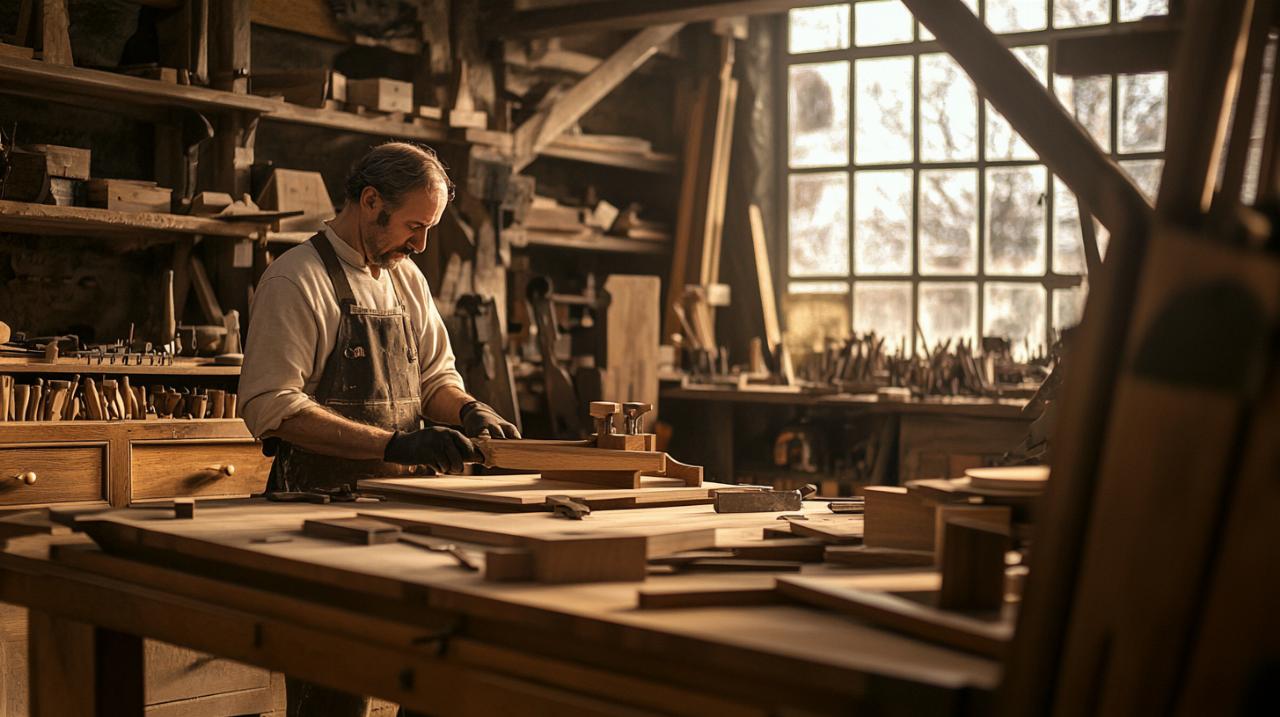
The tools a tradesperson wields are an extension of their skill and a reflection of the demands of their work. Carpenters and cabinetmakers alike must be proficient with both hand tools and power tools, though the specific equipment they rely upon can differ markedly depending on their specialization. Organisation is a critical attribute for any carpenter, as ensuring that all necessary equipment is on hand at the start of a workday can mean the difference between a smooth project and costly delays. The breadth of carpentry roles within the construction industry means that the toolkit of a rough carpenter will look quite different from that of a finish carpenter or a cabinetmaker, even though all three share a foundation in woodworking principles.
The carpenter's toolkit: from hand planes to power saws
Carpenters working on construction sites and large-scale projects rely on a robust collection of tools designed for efficiency, power, and durability. Circular saws, mitre saws, and reciprocating saws are staples of the trade, enabling rapid cutting of timber, lumber, and other building materials. These power tools allow carpenters to make precise cuts quickly, whether they are trimming studs for a wall structure, cutting rafters for a roof, or shaping floor joists. Hand tools such as hammers, chisels, hand planes, and measuring tapes remain indispensable, providing the tactile feedback and control necessary for fine adjustments and detailed work. A well-maintained hand plane, for instance, can smooth a piece of timber to a near-perfect finish, while a sharp chisel allows for the careful removal of material in tight spaces where power tools cannot reach.
Rough carpenters and framers often use framing nailers and screw guns to speed up the assembly of large structures, driving fasteners into lumber with force and precision. Levels, both spirit levels and laser levels, ensure that walls and floors are plumb and true, a fundamental requirement for structural integrity. Tape measures, speed squares, and combination squares help carpenters lay out cuts and verify angles, while chalk lines and marking gauges provide clear, visible guides for sawing and drilling. For work at height, such as roof construction, roofers and framers depend on scaffolding, ladders, and safety harnesses, alongside specialized tools for working with metal, tile, and rubber roofing materials. The versatility and adaptability of a carpenter's toolkit reflect the wide range of tasks they undertake, from the heavy lifting of structural framing to the careful fitting of trim and mouldings.
Cabinet making precision: specialist equipment and fine joinery techniques
Cabinetmakers operate in a realm where precision and artistry converge, demanding tools that offer exceptional accuracy and control. While they share some equipment with general carpenters, such as saws and measuring instruments, cabinetmakers also rely on specialized machinery and hand tools tailored to the creation of bespoke furniture. Table saws with fine-tuned fences allow for repeatable, accurate rip cuts, while band saws enable the cutting of curves and intricate shapes. Planers and jointers prepare stock to exact thicknesses and perfectly flat surfaces, essential for achieving tight-fitting joints and smooth finishes. Router tables, equipped with a variety of bits, create decorative edges, grooves, and joinery features such as dadoes and rabbets.
Hand tools take on particular significance in cabinet making, where the quality of joinery defines the longevity and beauty of a piece. Chisels, carving gouges, and hand saws are wielded with a precision that only comes from years of practice. Marking gauges and mortise gauges allow cabinetmakers to lay out joinery with exacting accuracy, while dovetail saws and coping saws facilitate the cutting of delicate joints. Clamps of various sizes and styles hold assemblies together as glue sets, ensuring that joints align perfectly and surfaces remain flat. Scrapers and sanding blocks smooth surfaces to a finish that is ready for staining or varnishing, bringing out the natural beauty of the wood.
Beyond tools, cabinetmakers must master a range of fine joinery techniques that distinguish their work from that of general carpenters. Dovetail joints, prized for their strength and aesthetic appeal, interlock pieces of wood in a way that resists pulling apart. Mortise and tenon joints, another hallmark of quality furniture, provide robust connections suitable for frames and structural elements of cabinets. Biscuit joinery, dowelling, and pocket hole joinery offer modern alternatives that balance speed with strength, particularly useful in commercial cabinetmaking settings. Understanding wood movement and grain orientation allows cabinetmakers to anticipate how their pieces will behave over time, preventing warping, cracking, and other common issues. This deep knowledge of materials, combined with meticulous craftsmanship, enables cabinetmakers to produce custom-made furniture that meets the highest standards of durability and beauty.
The choice between hiring a carpenter or a cabinetmaker ultimately depends on the nature of the project at hand. For those embarking on construction or renovation work, understanding the specific skills and tools associated with each trade can inform better decisions about project selection, budget planning, and expectations. Rough carpenters and framers bring the muscle and structural expertise needed to build the bones of a building, while finish carpenters add the refined touches that make a space feel complete. Cabinetmakers, with their focus on bespoke furniture and precision joinery, offer solutions for those seeking custom storage and unique pieces that reflect personal style. The job market for carpenters is expected to grow, reflecting ongoing demand in the construction industry, and carpenter earnings can vary depending on location and the type of work undertaken. Whether one is drawn to the physicality and scale of carpentry or the artistry and detail of cabinet making, both trades offer rewarding career opportunities rooted in centuries of tradition and craftsmanship.