
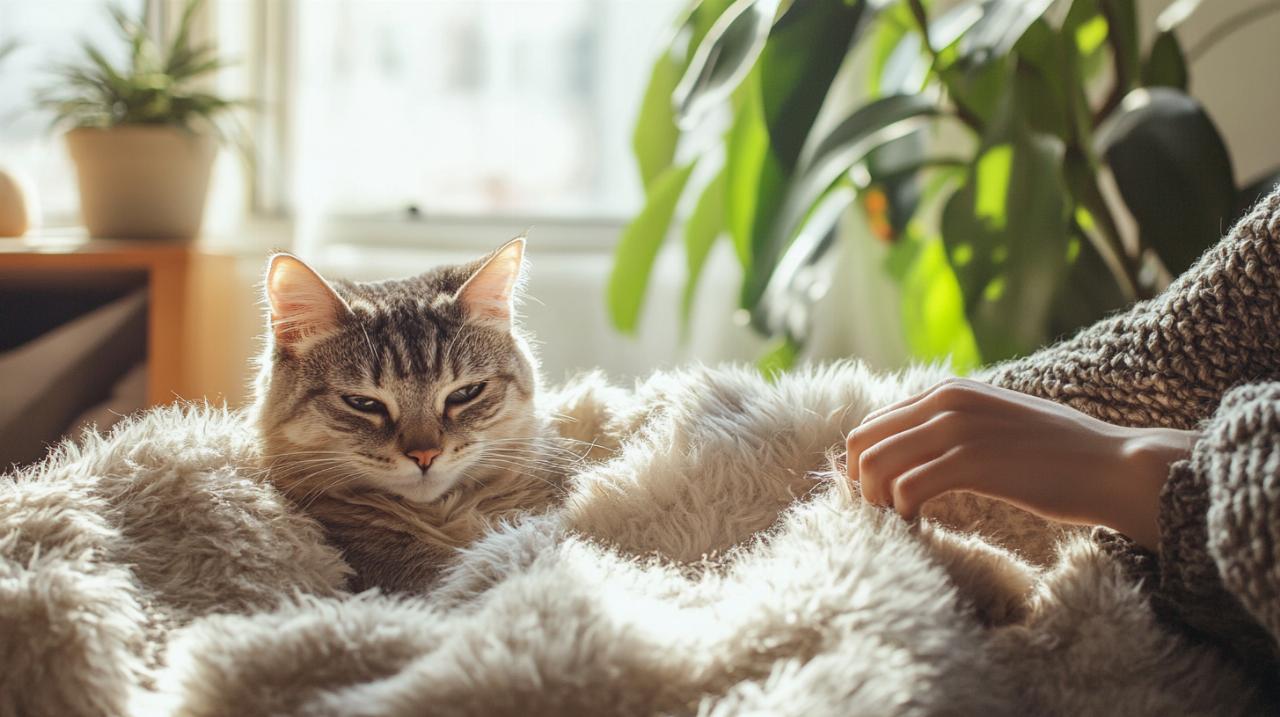
Living with a feline companion brings endless joy, yet the persistent challenge of cat fur clinging to blankets can frustrate even the most devoted pet owner. The good news is that tackling this common household nuisance requires neither expensive gadgets nor specialised equipment. Instead, a few clever techniques using items already tucked away in your cupboards can transform your fluff-covered throws back into clean, comfortable textiles. Understanding these practical approaches not only saves money but also empowers you to maintain a fresher home environment without constant trips to the shops.
Household items that lift cat fur from fabric
The solution to stubborn cat hair often lies in the most unexpected corners of your home. Rather than investing in costly removal devices, a quick rummage through your kitchen drawer or utility cupboard reveals several highly effective alternatives. These everyday objects harness simple physical principles to gather up those persistent strands that seem determined to weave themselves into every fibre of your favourite blanket. To discover even more ingenious household solutions and practical tips for managing pet-related challenges, visit casaxalon.es where a wealth of home care advice awaits.
Using Rubber Gloves and Damp Hands for Quick Removal
Rubber gloves, typically reserved for washing up or household cleaning, prove remarkably efficient at attracting and lifting cat fur from textile surfaces. The static charge and friction created when you run a slightly dampened rubber glove across a blanket causes the hair to clump together and roll into easily removable balls. Simply don the glove, lightly moisten it with water, and sweep your hand across the fabric in steady, deliberate strokes. The collected fur adheres to the glove surface, allowing you to peel it away and discard it in one satisfying motion. This method works particularly well on fleece and cotton blankets where hair tends to settle on the surface rather than embedding deeply within the weave. For those moments when you lack rubber gloves, dampening your bare hands achieves a similar effect, though with slightly less grip. The moisture creates just enough surface tension to gather the fur without saturating the blanket, making this technique ideal for quick touch-ups between proper washes.
The sticky tape and sellotape technique
Standard adhesive tape, whether packing tape or household Sellotape, transforms into an impromptu hair removal tool with surprising effectiveness. By wrapping a length of tape around your hand with the sticky side outward, you create a makeshift roller that captures fur on contact. Press the tape-covered hand firmly against the blanket and lift away, repeating the process across the entire surface until the adhesive loses its tackiness. This approach works brilliantly for spot-cleaning small areas or addressing particularly stubborn patches where fur has become more deeply embedded. The tape method proves especially useful on wool blankets and delicate fabrics where more aggressive techniques might cause damage or pilling. While this solution requires a bit more patience than some alternatives, it delivers excellent results without requiring any financial outlay beyond the tape roll likely already sitting in your desk drawer. The precision this method offers makes it invaluable for treating specific zones or preparing blankets for guests when time is limited.
Natural Methods to Prevent and Remove Cat Hair Build-Up
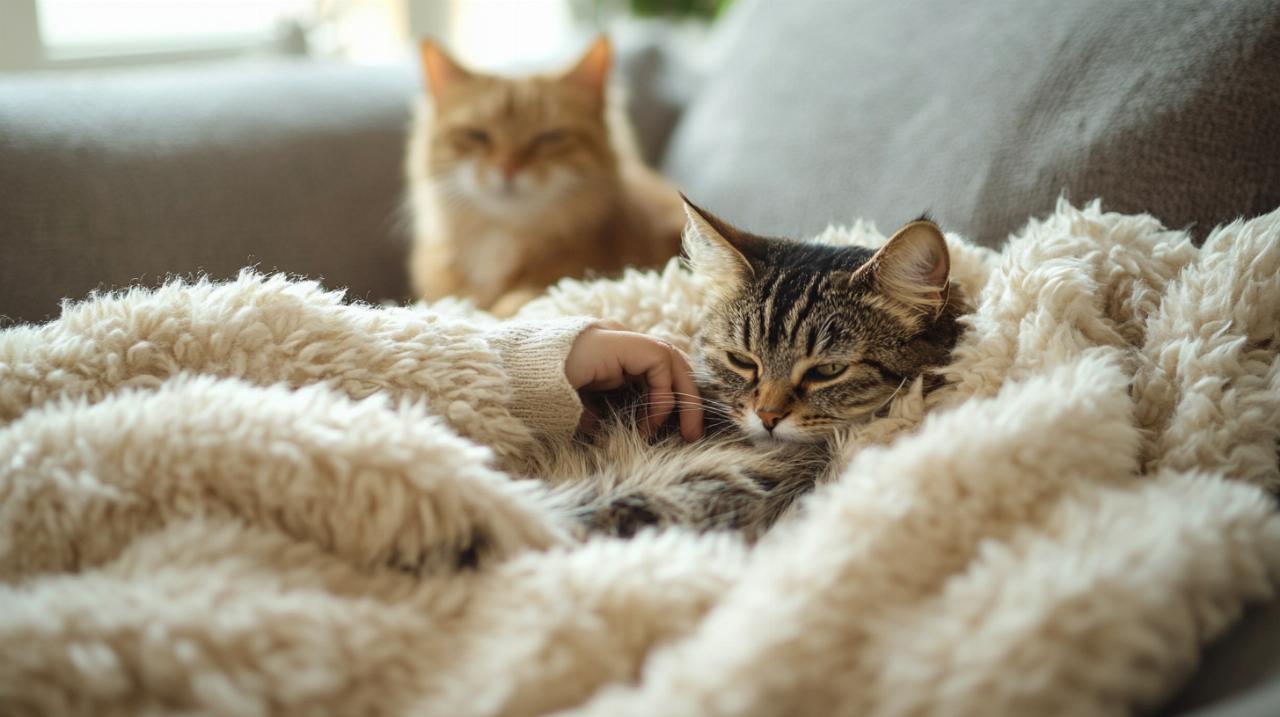
Beyond immediate removal techniques, adopting preventative strategies and regular maintenance routines dramatically reduces the accumulation of cat fur on blankets. Understanding your cat's natural shedding patterns and implementing thoughtful household practices creates a sustainable approach to managing pet hair. These methods not only address existing fur problems but also minimise future build-up, ultimately reducing the frequency and intensity of cleaning sessions required to maintain your textiles.
Strategic washing and tumble drying approaches
The washing machine becomes a powerful ally in the battle against cat hair when used with a few strategic additions. Adding approximately half a cup of white vinegar to the rinse cycle works wonders by loosening the grip that hair maintains on fabric fibres, allowing the water and agitation to wash it away more effectively. The vinegar acts as a natural fabric softener whilst simultaneously breaking down the static cling that causes fur to adhere so stubbornly. Before tossing the blanket into the wash, giving it a vigorous shake outdoors releases a significant portion of loose hair, preventing it from clogging your machine's filter or redistributing onto other laundry items. Following the wash cycle with a tumble dry session on a low heat setting further dislodges any remaining strands, which then collect in the lint trap for easy disposal. For particularly furry blankets, running the dryer for ten minutes before washing can loosen embedded hair, making the subsequent wash more effective. This combined approach addresses hair at multiple stages, ensuring your blankets emerge genuinely clean rather than simply redistributing the problem.
Regular grooming habits to minimise shedding
Whilst this discussion focuses primarily on blanket care, addressing cat hair at its source proves the most effective long-term strategy. Establishing a consistent grooming routine for your feline friend significantly reduces the volume of loose fur available to settle on your textiles. Regular brushing captures hair before it disperses throughout your home, with many cats enjoying the attention and bonding that grooming sessions provide. Understanding that cats naturally shed between fifty and one hundred hairs daily helps set realistic expectations about maintenance requirements. Creating designated cat-free zones or covering favourite feline lounging spots with easily washable throws concentrates hair in manageable areas, protecting your primary blankets from constant exposure. Weekly cleaning of blankets that receive regular cat contact prevents hair from becoming deeply embedded, making each cleaning session quicker and more effective than waiting for monthly deep cleans. Combining these preventative measures with the removal techniques previously discussed creates a comprehensive approach that keeps your home comfortable for both human and feline residents whilst minimising the frustration that pet ownership can occasionally bring to textile care.