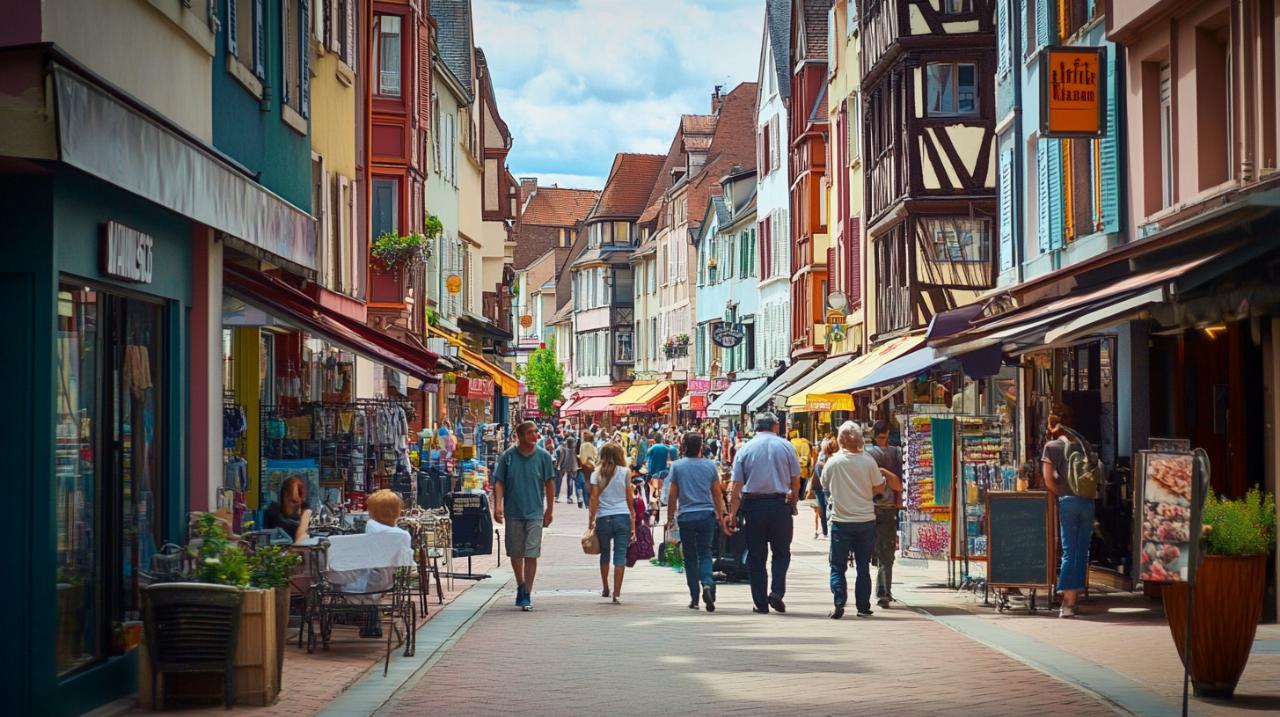
Mulhouse, positioned in the Alsace region of France and sitting at a convenient crossroads near Switzerland and Germany, presents a compelling proposition for those contemplating a move or a lengthier stay. This city, steeped in a rich tapestry of culture and history, offers a lifestyle that diverges markedly from the hustle and expense of major French metropolitan areas such as Paris or Lyon. With its accessible rental market, decent transport infrastructure, and a scattering of museums and green spaces, Mulhouse beckons to students, families, and professionals alike. However, as with any urban landscape, the reality of living here demands a clear-eyed assessment, particularly when it comes to understanding the distinct character of its various neighbourhoods.
Understanding mulhouse's district landscape: the reality check
The patchwork nature of mulhouse neighbourhoods
Mulhouse is not a homogenous entity; rather, it is a city of contrasts where each district exhibits its own identity, shaped by history, demographics, and ongoing urban development. The experience of residing in one area can differ dramatically from another, and this patchwork quality is something prospective residents must grasp before committing to a lease or purchase. Rebberg, for instance, stands out as a more refined and affluent district, offering a serene environment with well-maintained streets and a sense of established stability. By contrast, the Centre-Ville pulses with the activity one expects from a city centre, providing proximity to shops, restaurants, and cultural venues, albeit with the accompanying urban noise and bustle. Nouveau Bassin, with its modern developments, appeals to those seeking contemporary amenities and a planned community feel. Meanwhile, Bourtzwiller has cultivated a reputation as a student-friendly neighbourhood, thanks to its relative affordability and the presence of the University of Haute-Alsace. Yet, this very affordability and youthful energy come with their own set of considerations, particularly regarding the social fabric and the level of tranquillity one might expect.
Property values and what they really tell you
Property prices and rental rates in Mulhouse serve as a barometer for the desirability and, at times, the challenges faced by different districts. A one-bedroom flat in the city centre typically commands a monthly rent of approximately five hundred euros, whilst a similar property situated outside the central hub can be secured for around four hundred euros. These figures, whilst undeniably more accessible than those in France's larger cities, reflect more than mere geographical convenience. They hint at the varying levels of investment, security, and social cohesion present in different parts of Mulhouse. Areas with lower rents may offer greater value for money, but they can also signal neighbourhoods that are still grappling with issues of regeneration, higher crime rates, or a lack of comprehensive amenities. It is prudent for anyone considering a move to look beyond the headline rental figure and investigate what that price truly represents in terms of quality of life, access to services, and the overall atmosphere of the district. Speaking to locals, examining council reports, and even visiting at different times of the day can provide invaluable insights that raw numbers alone cannot convey.
Drouot and Bourtzwiller: A Frank Assessment of These Districts
Drouot's community spirit versus security concerns
Drouot is a district that embodies both the warmth of community and the sobering realities of urban challenges. Residents often speak of a strong sense of togetherness, a neighbourhood where people know their neighbours and local businesses foster a sense of belonging. This community spirit can be a significant draw for those who value social connections and a supportive environment. However, it would be disingenuous to ignore the reports that have emerged concerning vandalism and theft in this area. Whilst regeneration efforts are indeed underway, with local authorities and community groups working to improve infrastructure and public spaces, these initiatives are still in progress, and their full impact remains to be seen. For individuals or families considering Drouot, it is essential to weigh the positives of a tight-knit community against the need for vigilance regarding personal security and property protection. Checking the latest local news, consulting with current residents, and reviewing council improvement plans can provide a clearer picture of whether this district aligns with one's expectations and tolerance for urban grit.
Bourtzwiller's affordability and transport links worth considering
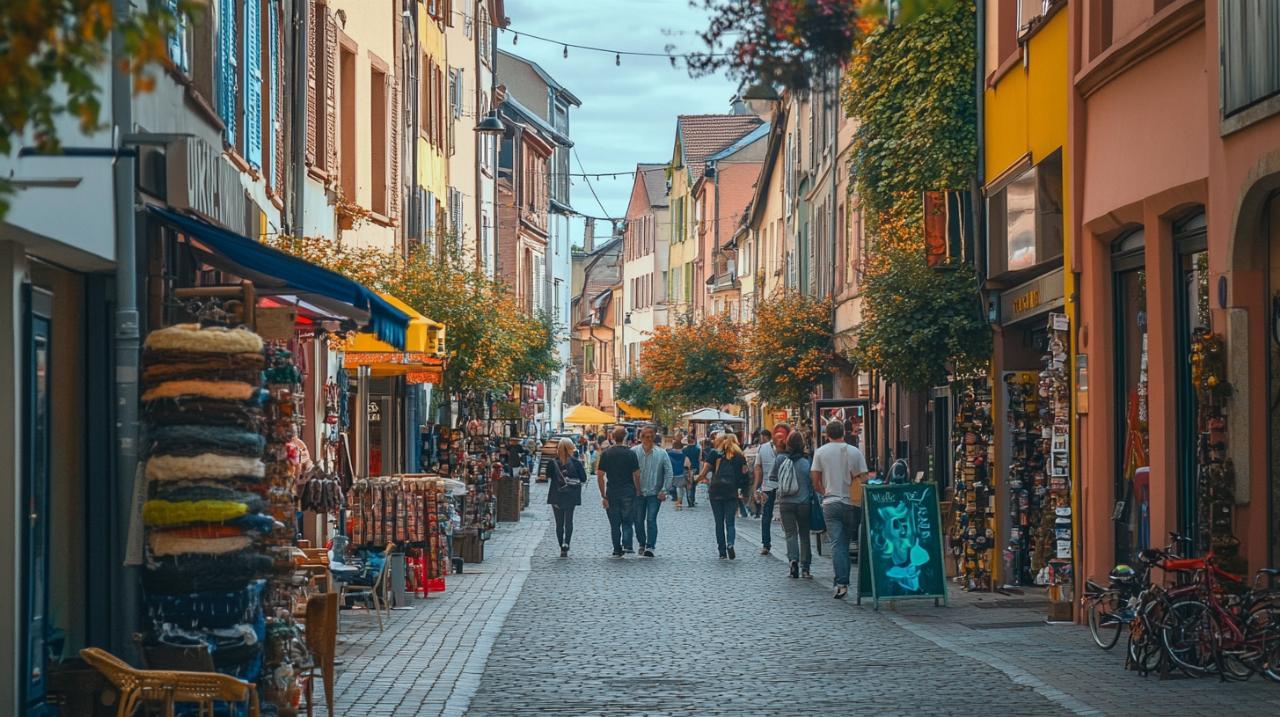
Bourtzwiller presents itself as a district where affordability and accessibility are key selling points. The lower rental prices here, hovering around the four hundred euro mark for a one-bedroom flat, make it an attractive option for students from the University of Haute-Alsace and young professionals starting out. The neighbourhood benefits from reliable public transport connections, with trams and buses providing straightforward access to the city centre and beyond. A monthly travel pass, costing approximately fifty euros, ensures that residents can navigate Mulhouse and reach destinations such as Basel, Strasbourg, and even Zurich with relative ease. The diverse population adds a multicultural dimension to daily life, which some may find enriching. Nonetheless, Bourtzwiller, much like Drouot, carries a reputation that warrants careful consideration. Reports regarding security issues persist, and whilst the area is not without its merits, potential residents must conduct thorough research. Engaging with online forums, speaking directly with those who live there, and perhaps even spending time in the district before making a final decision are sensible steps to ensure that the practical advantages of affordability and transport do not come at the expense of personal safety or peace of mind.
Daily life practicalities: amenities, transport, and social realities
Access to Green Spaces, Leisure Facilities, and Local Services
Across Mulhouse, a variety of amenities are available to enrich daily life, though their distribution and quality can vary markedly from one district to another. Parks and green spaces, museums that celebrate the city's industrial heritage, and local markets offering fresh produce and regional specialities contribute to a sense of place and community. The city's tram and bus network, which is both reliable and reasonably priced, ensures that residents can access these amenities without necessarily relying on a car. Utilities, averaging around one hundred and fifty euros per month, are a necessary consideration when budgeting for life in Mulhouse. For families, the presence of good schools and child-friendly parks is a significant factor, and certain neighbourhoods cater to these needs more effectively than others. However, the availability and upkeep of leisure facilities, from sports centres to cultural venues, can differ, with some areas benefiting from recent investment whilst others still await their turn for improvement. Prospective residents should not assume that all districts offer equal access to these resources; a bit of legwork, visiting different areas and assessing what is on offer, will pay dividends in ensuring that one's lifestyle expectations can be met.
Social dynamics and what locals can tell you about living there
The social fabric of Mulhouse is as diverse as its neighbourhoods, with experiences varying widely depending on where one chooses to settle. Some districts are home to a more affluent population, enjoying a comfortable lifestyle with easy access to quality amenities and a lower incidence of social challenges. Other areas, however, confront issues related to poverty and social exclusion, which can manifest in a range of ways, from higher crime rates to limited access to services. Understanding these dynamics is not about passing judgement but about making an informed choice that aligns with one's own circumstances and priorities. Local residents are often the best source of candid information; their firsthand accounts can illuminate aspects of daily life that official reports might gloss over. Whether it is the sense of safety when walking home at night, the quality of local schools, or the vibrancy of community events, these lived experiences offer a nuanced perspective that is invaluable. For those navigating the rental market, particularly without a traditional guarantor, services such as Cautioneo provide a practical solution by offering a rental guarantee, which can ease the process and provide landlords with financial security. This kind of support, combined with thorough research and open conversations with locals, can help ensure that a move to Mulhouse is both smooth and suited to individual needs.